

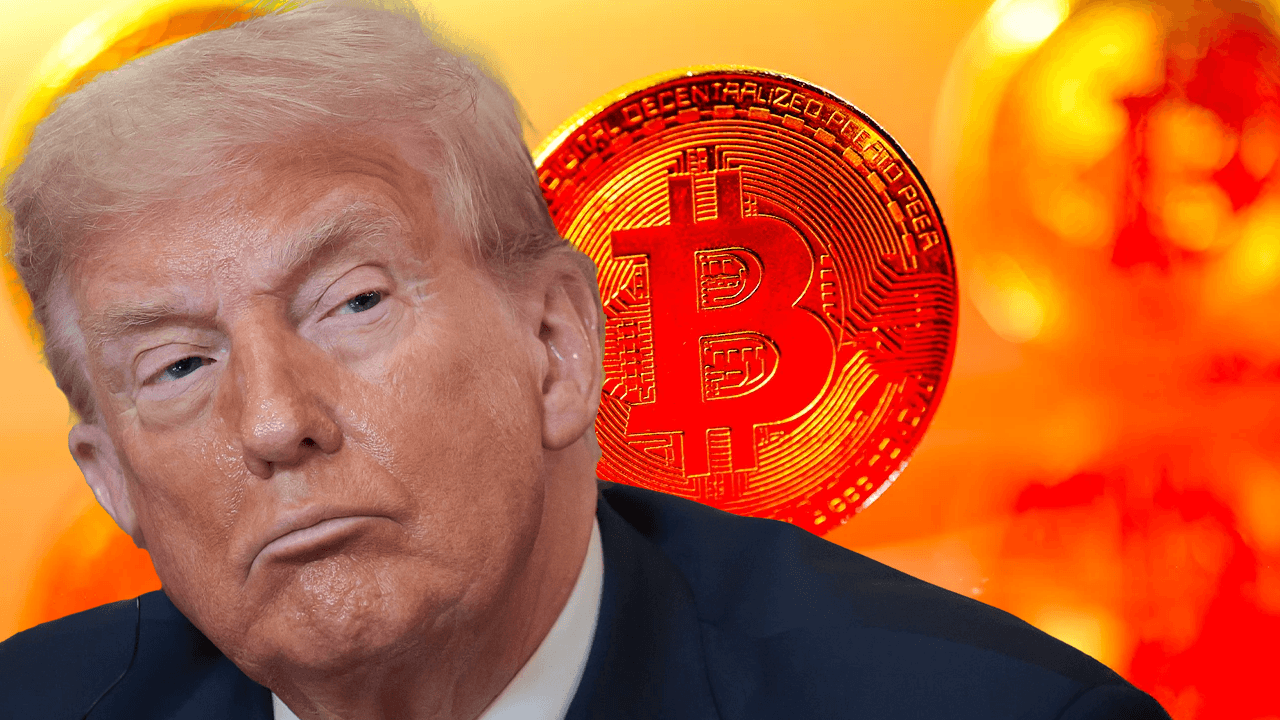
Trump Media & Technology Group has discreetly acquired a substantial amount of bitcoin, presently possessing around $2 billion in this digital currency. This impressive collection of digital assets has played a part in increasing former President Donald Trump’s overall wealth, highlighting the expanding influence of crypto assets in crafting financial stories at top tiers of politics and business.
The company, which operates Truth Social, a social media platform positioned as a conservative alternative to mainstream networks, has been at the center of political and financial attention since its public listing via a special purpose acquisition company (SPAC). Since completing the merger that brought it to the stock market, Trump Media’s valuation has experienced sharp volatility, driven largely by market speculation, political enthusiasm, and investor interest in Trump’s brand.
The organization’s recent strategic shift towards cryptocurrency has introduced a new facet to its financial framework. By amassing a substantial bitcoin reserve, Trump Media aligns itself with renowned companies like MicroStrategy and Tesla that have incorporated cryptocurrency into their company balance sheets. Nonetheless, the extent of Trump Media’s bitcoin purchase is remarkable because of the rapidity and size of its accumulation—positioning it as one of the leading corporate possessors of the digital currency.
Those analyzing the market indicate that the action serves as both a financial gamble and a political message. Ex-President Trump, who previously expressed strong doubts about bitcoin and similar digital assets, has recently moderated his language. This change in his public approach mirrors a wider transformation within conservative groups, where distrust of traditional financial systems and curiosity about decentralized monetary options have been increasing over the past few years.
The digital currency stance also serves two functions: boosting the firm’s attractiveness to a younger, technology-aware group of investors and offering a hedge against inflation as global economic unpredictability persists. With ongoing inflation, geopolitical conflicts, and shifts in regulations affecting financial markets, Trump Media’s approach to bitcoin may be seen as a safeguard against currency fluctuations and the instability of traditional markets.
Analysts point out that the decision to hold such a large volume of bitcoin brings both opportunities and risks. On the one hand, if bitcoin continues its upward trend, the company could realize enormous gains, strengthening its balance sheet and creating additional financial leverage. On the other hand, cryptocurrency remains highly volatile, and sharp price declines could negatively affect the company’s financial stability, investor confidence, and overall valuation.
Trump Media’s bitcoin holdings also have direct implications for Donald Trump’s personal finances. As the largest shareholder of the company, the former president’s net worth is closely tied to its performance. With the recent surge in bitcoin prices, the cryptocurrency’s appreciation has significantly increased the value of his stake. Financial disclosures and reports from equity analysts indicate that the combination of stock valuation and digital asset exposure has substantially elevated Trump’s overall wealth.
This latest development has reignited debates over the role of cryptocurrency in corporate finance and the broader implications for political figures involved in business ventures. Trump’s association with a company holding one of the largest bitcoin positions adds another layer to the evolving relationship between politics and digital finance. It also raises questions about potential regulatory scrutiny, especially as lawmakers and agencies continue to grapple with oversight frameworks for digital assets.
The United States is currently in a period of flux when it comes to crypto regulation. While the Securities and Exchange Commission (SEC) and other financial bodies have taken steps toward establishing clearer rules, uncertainty remains. Trump Media’s bold entry into the cryptocurrency space may draw attention from regulators seeking to understand how such holdings are reported, valued, and disclosed—particularly when the stakes involve a former head of state with ongoing political ambitions.
Those who criticize the decision have raised concerns about whether the company is favoring financial speculation instead of focusing on sustained stability. They highlight the risks linked to being heavily invested in one type of asset. On the other hand, some suggest that including digital assets demonstrates contemporary financial innovation and matches the changing preferences of investors, particularly younger ones who are more inclined to see cryptocurrencies as valid parts of varied portfolios.
Supporters, meanwhile, view the accumulation of bitcoin as a savvy financial move that demonstrates foresight and adaptability. They highlight that as institutional acceptance of cryptocurrency grows, companies that position themselves early may enjoy competitive advantages, including stronger investor engagement, increased media visibility, and access to emerging financial ecosystems.
There is also a branding element at play. Trump Media’s embrace of bitcoin may serve to reinforce its image as a disruptor—not only in the social media space but also in the financial arena. By diverging from conventional corporate finance strategies, the company continues to present itself as a bold, unorthodox player, reflecting the personality and political ethos of its figurehead.
As we move forward, investors will closely observe how Trump Media handles its bitcoin investment—whether it opts to gather more, starts to sell, or turns its focus to other blockchain-related technologies. The strategy adopted by the company could impact overall trends among politically aligned businesses and media companies aiming to benefit from the increasing acceptance of digital currencies in the mainstream.
While this is happening, the increasing wealth of Donald Trump, supported by cryptocurrency holdings and positive market sentiment, places him distinctively at the crossroads of politics, media, and finance. As the 2024 presidential elections heat up and financial openness turns into a crucial topic for contenders, the influence of digital currencies in individual and business portfolios will probably continue to be a focal point.
Trump Media’s ownership of bitcoin signifies not just an investment strategy, but also an association with a cultural and political trend that values decentralization, self-governance, and upheaval. Whether this tactic will turn out as a foresighted investment or a risky bet is yet to be determined. What is certain, however, is that the merging of digital currencies and political identity is emerging as an ever more influential power in today’s economic environment.



.jpg "Key compliance requirements for maintaining a Panama offshore company")