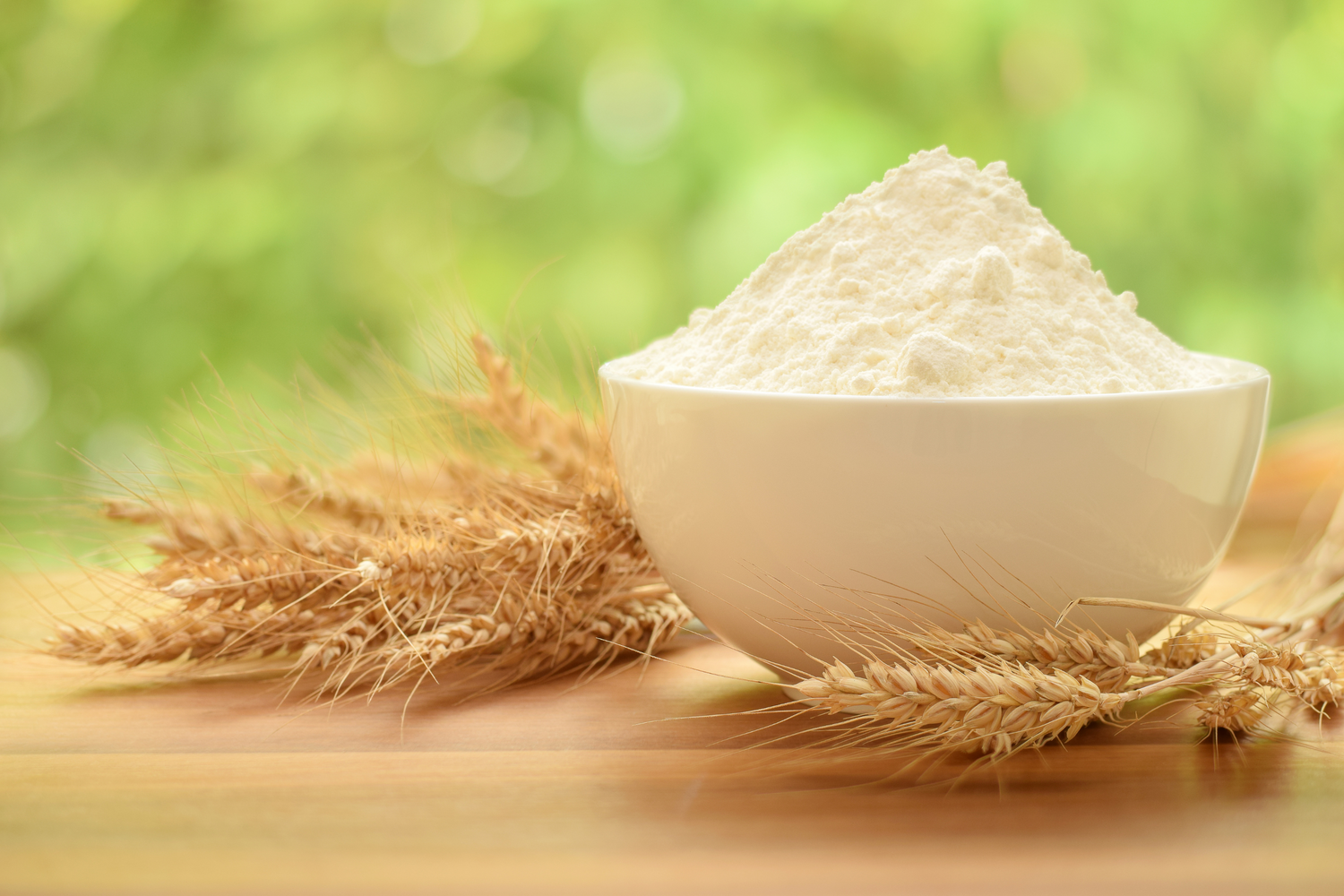
Gluten is a composite of storage proteins termed prolamins and glutelins, which are found naturally in wheat and related grains, such as barley and rye. This protein mixture is responsible for giving dough its elasticity and bread its chewy texture, bridging science and culinary arts. Without gluten, many of the baked goods we enjoy might lack their characteristic structure and appeal.
Gluten’s Makeup
Gluten is primarily composed of two main types of proteins: glutenin and gliadin. Glutenin contributes to the elasticity of dough, which is essential for holding gases during fermentation, leading to a proper rise in bread. On the other hand, gliadin provides extensibility, allowing the dough to stretch and expand. The intricate balance and interaction of these proteins result in the unique properties of gluten. It is this symbiosis that transforms simple ingredients into a myriad of textures and forms.
Where Can Gluten Be Located?
Gluten isn’t just in bread and pasta; it’s a common ingredient in a wide array of food items. You’ll encounter it in breakfast cereals, pastries, and numerous pre-packaged meals. What’s more, gluten’s utility isn’t limited to the culinary world. It shows up in surprising non-food items such as makeup, hair care products, and pharmaceuticals, frequently serving as a binding agent or an inert filler.
For those active in international culinary arenas, it’s crucial to understand that gluten can also appear under different forms and names. Ingredients like “hydrolyzed wheat protein” or “malt” might not explicitly mention gluten but are derivatives of gluten-containing grains.
Gluten’s Function in Gastronomic Applications
In the culinary art of baking, gluten is highly regarded as the fundamental element for crafting dough. Its distinct composition enables bakers to work the dough, fostering robust gluten formations that capture carbon dioxide throughout the fermentation process. This action yields bread that is both airy and light. For pastries and cakes, a meticulously managed equilibrium of gluten formation is crucial to attain the intended consistency.
Chef and restaurateurs must be adept at manipulating gluten’s properties to create culinary masterpieces. Understanding when to develop gluten and when to inhibit its formation is a sophisticated culinary skill, essential for crafting everything from tender pastries to robust bread.
Health Consequences and Nutritional Aspects
While gluten offers advantages in cooking, it can pose issues for specific individuals. People diagnosed with celiac disease, an autoimmune condition, suffer a strong adverse response to gluten, which harms their small intestine. Additionally, some individuals experience non-celiac gluten sensitivity, manifesting symptoms without the intestinal damage characteristic of celiac disease.
Gluten intolerance has led to a surge in the availability of gluten-free products, which cater both to medical needs and lifestyle choices. The global market for gluten-free foods has expanded remarkably, projected to reach $7.6 billion by 2027 according to industry reports. This shift has compelled chefs and culinary experts to innovate, creating gluten-free offerings that satisfy both dietary restrictions and taste preferences.
Exploring Gluten-Free Alternatives
Innovations in food science have heralded new gluten-free alternatives. Flours from rice, almonds, and chickpeas are popular substitutes that allow for culinary diversity without compromising health. Ancient grains such as quinoa and teff are also praised for being gluten-free, rich in nutrients, and versatile in recipes.
For those embracing a gluten-free lifestyle, there’s no need to compromise on delicious food. Specialized eateries and bakeries are now delving into these options, respecting both established practices and novel approaches, offering items that connect dietary requirements with culinary pleasure.
Reflecting on gluten’s dual role as both a celebrated ingredient and a dietary challenge invites a richer understanding of its place in both science and society. This intricate protein, fundamental in bread-making and culinary craftsmanship, also fuels a dynamic dialogue about dietary health and innovation.