

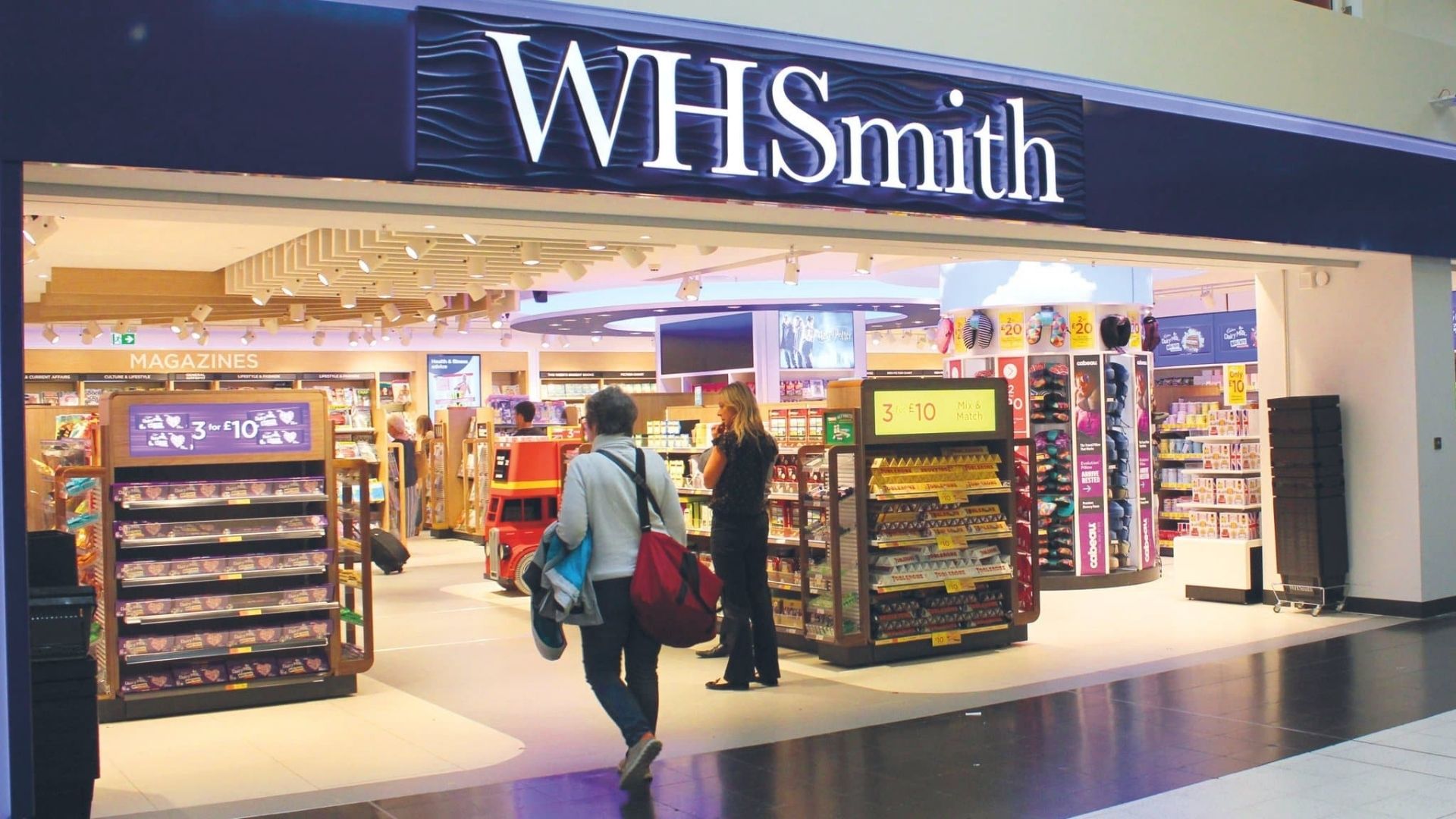
Shares in WH Smith experienced a dramatic decline following the disclosure of a significant accounting miscalculation that has rattled investors and raised questions about the company’s internal controls. The retail group, best known for its presence in airports, train stations, and high streets across the United Kingdom and internationally, saw its market value drop sharply after admitting to a financial oversight that inflated reported earnings.
The news caused a significant stir in the investment world, as WH Smith’s share value dropped by over 40% during the initial trading hours. Experts characterized this as among the toughest financial reporting challenges the company has dealt with in recent times. The magnitude of the mistake, along with the absence of early notice, has led numerous investors to worry about the management and dependability of WH Smith’s forthcoming financial reports.
Based on the company’s preliminary statements, the mistake stemmed from inaccurately categorizing some expenses within its accounting records. Although the complete information has not been revealed, initial signs point to operational expenses associated with overseas subsidiaries being logged incorrectly, resulting in an overstated operating profit in past reports.
WH Smith emphasized that the discrepancy was not the result of fraudulent activity but rather a technical error in accounting processes. Nevertheless, the correction of this mistake has had a substantial impact on reported earnings, forcing the retailer to revise its profit guidance and restate prior financial results.
The market’s response was swift and unforgiving. Within hours of the announcement, WH Smith’s shares were in freefall, wiping hundreds of millions of pounds from its market capitalization. This sharp decline reflects the level of trust investors place on accurate financial reporting and the severe consequences when that trust is broken.
Market commentators noted that the magnitude of the share price drop underscores how sensitive equity markets are to governance lapses, particularly in an environment where transparency is paramount. Many institutional investors have reportedly called for a full review of the company’s accounting practices and the implementation of stronger internal oversight mechanisms to prevent similar issues in the future.
Beyond the immediate market impact, the accounting error could have longer-term implications for WH Smith’s business operations and strategic plans. The company has been actively expanding its footprint in international travel retail, capitalizing on the resurgence of global travel after the pandemic. Any doubts about its financial stability or reporting accuracy could slow down investment and hinder its ability to secure favorable financing for future projects.
Furthermore, vendors and collaborators might take a more guarded approach with the retailer until trust is completely rebuilt. Such reputational harm can be challenging to mend and generally requires months, if not years, to resolve.
The incident at WH Smith serves as a stark reminder of the importance of robust accounting systems and effective corporate governance. While accounting errors are not unheard of in large organizations, the scale of this miscalculation and its impact on shareholder value highlight systemic weaknesses that regulators and auditors are likely to scrutinize closely.
Retailers, especially those with intricate global operations, encounter increased difficulties in keeping precise financial documentation. Variations in currency, diverse tax systems, and discrepancies in accounting guidelines between areas can lead to mistakes if not handled properly. Industry specialists anticipate that this situation will lead numerous retail companies to reevaluate their financial reporting structures to prevent comparable issues.
As a reaction to the crisis, the leadership at WH Smith has committed to complete openness and collaboration with the ongoing probes. The company has declared the immediate start of an independent examination to pinpoint the underlying reasons for the mistake and suggest corrective actions.
Senior leaders have released statements showing remorse about the event, assuring stakeholders that efforts are underway to enhance internal controls and rebuild trust with investors. Despite the organization’s assertion that the mistake was accidental and not indicative of widespread financial instability, the current task is to prove that this was a singular occurrence rather than a sign of more profound structural problems.
For stockholders, the primary worry persists as the significant loss of value following the announcement. Financial analysts anticipate ongoing volatility in the near term while the market assimilates the effects of the adjusted earnings and new projections. Some specialists believe that the stock price might partially rebound if the independent assessment is completed quickly and no further inconsistencies are found.
However, the journey toward a complete recovery is expected to be intricate. Investor confidence frequently recovers more slowly than stock values, especially when challenges involve trust and openness. As WH Smith endeavors to regain its reputation, consistently achieving positive results in the upcoming quarters will be vital for regaining trust.
Even with the ongoing challenges, WH Smith continues to be a major entity in the retail industry, due to its varied business structure and solid international reach. Should the company successfully manage this difficult period—by tackling internal shortcomings, improving management, and maintaining transparent communication with stakeholders—it could become stronger over time.
Nevertheless, this episode is a cautionary tale for companies across industries: in an era of heightened investor scrutiny and regulatory oversight, financial accuracy is non-negotiable. Even technical errors, when compounded by scale and timing, can trigger major repercussions that extend far beyond the balance sheet. For WH Smith, the focus now is on containment, correction, and rebuilding trust—a process that will require rigorous action and unwavering transparency in the months ahead.



.jpg "Key compliance requirements for maintaining a Panama offshore company")