Which Foods Contain Zinc?
Zinc is a vital trace mineral important for several bodily processes, such as immune function, DNA formation, and tissue repair. Sufficient zinc consumption is necessary for sustaining general health. In this discussion, we will explore numerous foods high in zinc, showcasing options from animal sources as well as plant sources to accommodate various dietary choices.
Animal-Based Sources of Zinc
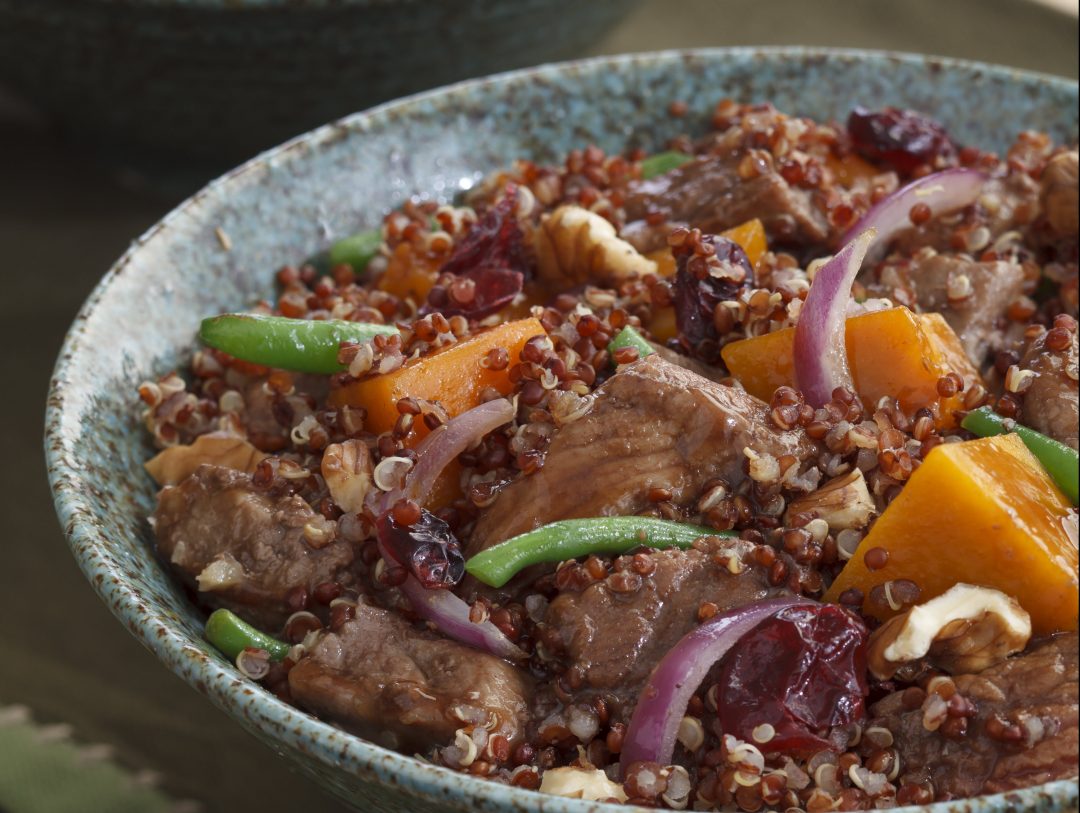
Carne Roja: Red meat, like beef, lamb, and pork, serves as one of the most abundant sources of zinc. Not only do these meats offer a high zinc content, but they also deliver premium-quality protein and vital vitamins.
Poultry: Chicken and turkey are excellent sources of zinc. Dark meat, in particular, contains higher amounts compared to white meat. For those who prefer a leaner option, skinless chicken breast can still contribute a moderate zinc content to your diet.
Seafood: Oysters are well-known for being a top source of zinc. Consuming just one portion can surpass your daily recommended amount, making them an outstanding choice. Other shellfish, like crab and lobster, also offer generous amounts. Additionally, fish such as sardines and salmon not only supply zinc but are also abundant in omega-3 fatty acids.
Dairy Products: Milk, cheese, and yogurt are excellent sources of calcium and also provide zinc. These foods can be especially advantageous for people following vegetarian diets, providing essential nutrients that support bone health and the immune system.
Plant-Based Sources of Zinc
Legumes: Beans, lentils, and chickpeas serve as great plant-derived zinc sources. Although they have phytic acid, which may occasionally prevent zinc absorption, techniques like soaking, sprouting, or fermenting these items can improve bioavailability.
Nuts and Seeds: Pumpkin seeds, sesame seeds, and flaxseeds are packed with zinc. Almonds and cashews are also good choices, offering a convenient, portable snack option that boosts your zinc intake throughout the day.
Whole Grains: Whole grains like quinoa, oats, and brown rice contain more zinc than refined grains. Choosing whole grains over processed alternatives not only increases zinc intake but also provides fiber and other essential nutrients.
Fortified Foods: Many breakfast cereals and snack bars are fortified with zinc, making them an accessible option for ensuring adequate dietary intake, especially in populations with higher zinc needs, such as children and pregnant women.
Elements Influencing Zinc Uptake
The bioavailability of zinc from animal origins is generally greater compared to plant origins because of the presence of substances such as phytates in plants that may reduce absorption. Yet, using techniques like bread fermentation or eating foods rich in vitamin C together with zinc sources can improve absorption.
Fulfilling Your Zinc Requirements
Ensuring a balanced diet that includes a variety of zinc-rich foods from both animal and plant sources can help maintain optimal zinc levels. Paying attention to preparation methods and combining certain foods can enhance zinc absorption, supporting vital functions and promoting health and well-being.
Reflect on your dietary habits and consider diversifying your food choices to include several of these zinc-rich options. By doing so, you not only enrich your nutritional profile but also embrace a holistic approach to health and wellness.