Hedi Slimane is broadly seen as one of the most impactful fashion designers of recent generations. His creative direction has redefined the identity of two major fashion houses: Dior (notably the Dior Homme division) and Celine. Yet what essential traits shape his work across these labels, and what lasting influence has he left on the luxury fashion world?
Slimane at Dior Homme: The Rise of Refined Skinny Style
When Hedi Slimane assumed creative leadership at Dior Homme in 2000, his vision dramatically reshaped conventional menswear, and while relaxed, boxy cuts dominated the era, he brought in sleek precision tailoring and a rebellious rock-inspired edge.
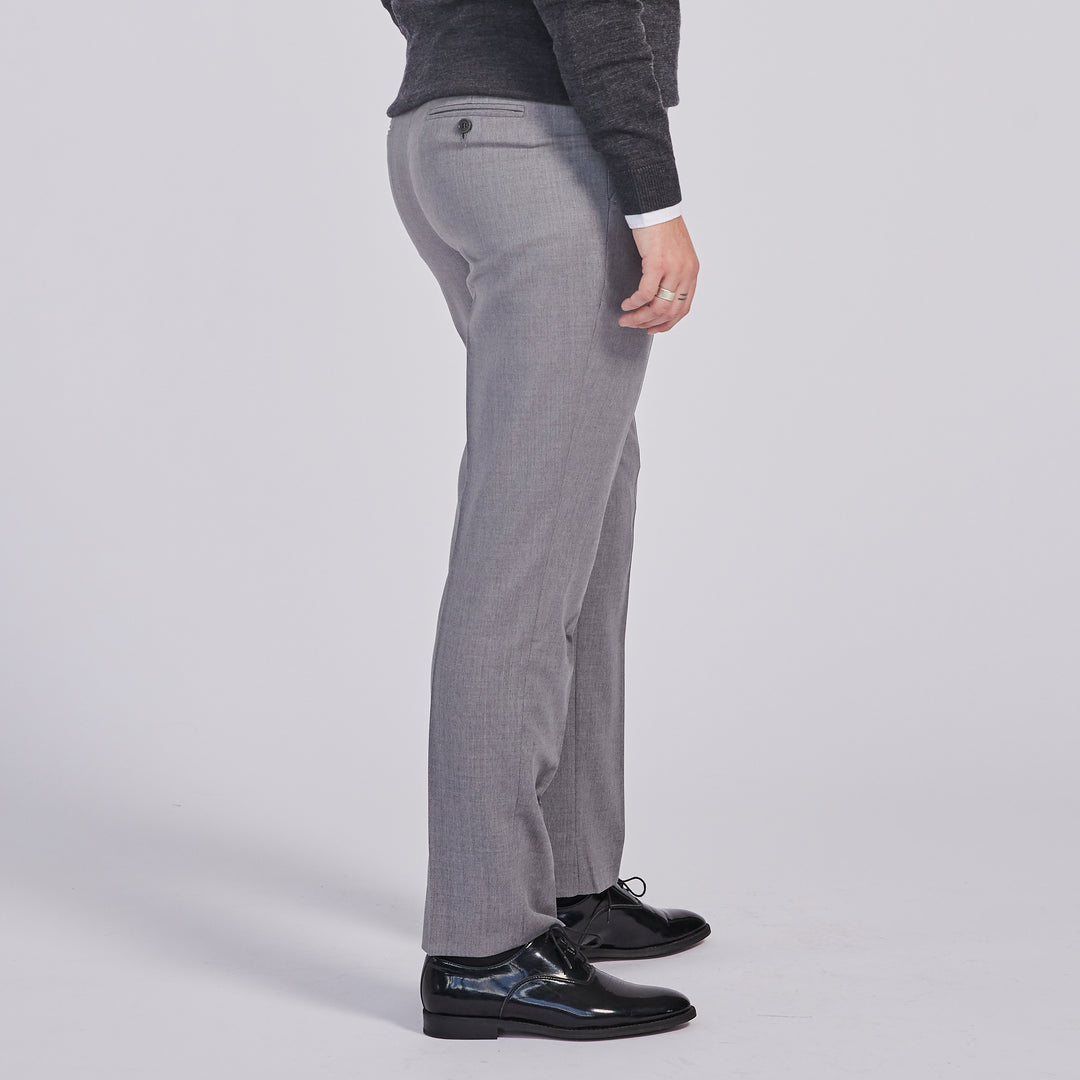
His signatures included extremely slim fits, narrow lapels, and trousers cut close to the body. The silhouette became famously known as the “Skinny Suit.” This aesthetic resonated not only with fashion insiders but also with musicians and youth culture. Rock celebrities like Pete Doherty and David Bowie were regularly seen in Dior Homme. Karl Lagerfeld himself famously lost over 80 pounds to fit into Slimane’s suits, demonstrating the cultural impact of the designer’s vision.
A core characteristic of Slimane’s Dior Homme was his meticulous approach to construction. He fused high-craft Parisian tailoring with an unpolished, youthful energy. Collections were presented in stark, moody settings, and often drew inspiration from music subcultures. For example, for Spring/Summer 2004, Slimane introduced a collection inspired by Berlin’s electro scene, marked by skinny black jeans and enigmatic leather jackets.
Slimane’s obsession with youth was channeled into Dior Homme’s casting: thin, aloof, and androgynous young men populated his runways, setting a trend that influenced global menswear for years.
Celine: A Fresh Take and Creative Renewal
When Slimane arrived at Celine in 2018, he moved beyond menswear to direct the entire label, bringing men’s collections into a house long celebrated as a French womenswear icon. His debut at Celine sparked widespread curiosity about whether he would apply his trademark Dior Homme minimalism or evolve the groundwork Phoebe Philo had laid.
Slimane’s first collections for Celine revealed a marked shift toward his signature aesthetic: rock‑tinged, sharply cut, and openly inspired by youthful countercultures. He highlighted Parisian cool, weaving in elements such as leather biker jackets, skinny denim, and ultra‑mini dresses, drawing on underground music, nightlife, and the spirit of urban youth.
A clear illustration appears in his Spring 2019 debut for Celine, which marked a bold departure from the brand’s earlier design codes. The minimalist, cerebral aesthetic was swept aside as Slimane introduced his hallmark style, defined by lean proportions, monochrome tones, and nightlife-inflected, shimmering suits. This shift stirred debate among devoted admirers of Philo’s tenure, yet it revitalized Celine’s allure for younger audiences drawn to a more rock-driven sensibility.
Moreover, Slimane’s approach at Celine included photography and art direction. He directly oversaw campaigns, crafting a consistent, moody narrative aligned with his fashion. His work invoked references from 1970s glam rock, 1990s grunge, and French New Wave cinema. Rather than following prevailing industry movements towards bright color and logomania, Slimane opted for understated sophistication and subcultural romanticism.
Enduring Themes Within Slimane’s Creative World
Across Dior and Celine, several motifs recur in Slimane’s design work:
1. Youth and Androgyny: Slimane is fascinated by youth: specifically, the moment between adolescence and adulthood. His casting favors models who embody an ambiguous blend of masculinity and femininity. This serves both as an aesthetic preference and a symbolic statement, rejecting rigid gender binaries.
2. Musical Influences: From punk to indie to electronic music, Slimane’s collections absorb the codes of subcultural music scenes. His runways become cultural stages, with soundtracks and set designs inspired by legendary venues, album covers, or iconic bands. For instance, his Fall 2023 Celine collection was presented at Le Palace, a historic Paris nightclub, blurring boundaries between fashion and live music.
3. Sartorial Precision: The designer’s photography background comes through in his exacting sense of scale and nuance, with each jacket, coat, and pair of jeans crafted with near-surgical accuracy and enhanced by subtle, inventive touches such as distinctive stitching, surprising layering, or thoughtfully unconventional pocket arrangements.
4. Art Direction: Beyond clothes, Slimane controls every aspect of the brand’s image: campaign photography, shop interiors, digital presence, even the logo. Notably, he redesigned Celine’s logo in 2018 to a simplified modernist typeface, shedding the accent from the ‘E’ as a nod to classic French typography of the 1960s.
5. Black Palette and Tailoring: While he does not entirely avoid color, Slimane has made black, white, and monochromatic palettes a central theme. His use of black is meant not just as a “color,” but as a mood—elegant, mysterious, and timeless.
Impact and Legacy
Slimane’s work at Dior Homme reshaped the landscape of contemporary menswear for the 21st century. The lean, androgynous profiles soon dominated the scene, spreading from luxury maisons to mainstream retailers. Musicians, stylists, and everyday consumers embraced this emerging “slim look,” fueling broad cultural transformations.
At Celine, his unwavering dedication to his own creative vision—despite sharply divided early responses—once again demonstrated that luxury fashion can shift direction while staying culturally relevant, and Slimane’s Celine remains among the few major luxury houses that have avoided logomania and streetwear-led aesthetics, instead presenting a distinct path rooted in enduring style, rebellious energy, and effortless Parisian cool.
These two chapters of his career are united by an unwavering attention to detail, an embrace of subcultural influences, and a finely honed understanding of how fashion, music, and photography can intersect to create desirability. In both Dior and Celine, Slimane crafted not merely collections, but distinctive worlds—each defined by sharp lines, youthful energy, and a refusal to compromise on an uncompromising personal vision.
Slimane’s legacy is a testament to the enduring power of aesthetic conviction in fashion. Each era under his direction has presented more than mere garments; it has offered a precise cultural statement, a self-contained universe, and a powerful redefinition of modern luxury.