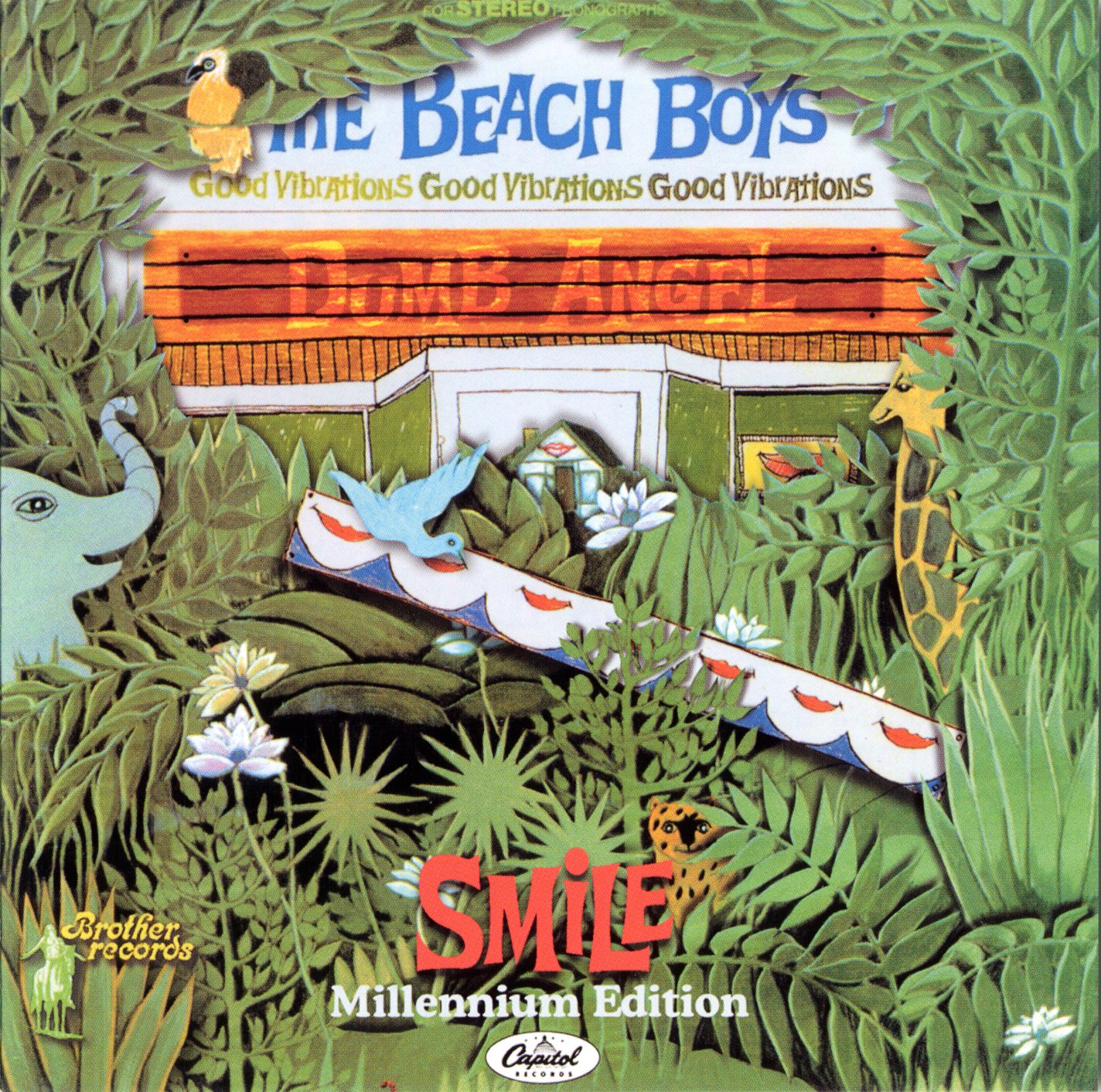
The expression “boho style,” commonly known as “bohemian style,” has grown into a widely recognized fashion and lifestyle aesthetic that reflects a spirit of freedom, imaginative flair, and a fusion of diverse cultural inspirations, representing not only a way of dressing but also a worldview centered on authenticity and artistic living.
Origins of Boho Style
Boho style can be traced back to the 19th‑century bohemian movement, shaped in large part by artists, writers, and musicians who embraced unconventional ways of living; this movement often reflected a dismissal of traditional social expectations and an inclination toward communal life, creative expression, and spiritual pursuit, while the term “bohemian” comes from the French “bohémien,” a word applied to Romani communities thought to have originated in the Bohemia region of what is now the Czech Republic.
Characteristics of Boho Style
Fashion: Boho style in fashion is recognized for its vibrant fusion of hues, motifs, and tactile materials. It typically features flowing garments, layered outfits, fringed pieces, and natural textiles such as cotton and linen, all contributing to an expression of freedom and individuality. Its prints often draw from global artistic traditions, including paisley, ikat, and tribal patterns, underscoring the style’s open and inclusive spirit.
Home Decor: In interior design, the boho aesthetic highlights inviting comfort and a cozy ambiance, often showcasing artisanal creations. Rooms feature plentiful textiles, ranging from patterned rugs to macramé and crochet accents. Preloved or vintage furnishings blend effortlessly with potted greenery and objects that carry personal narratives or cultural meaning.
The Contemporary Boho Style
Today, the boho style keeps transforming as it embraces sustainability and genuine cultural appreciation, with brands and designers adopting eco-conscious materials and responsible production methods; for example, sustainable fashion pioneer Eileen Fisher frequently weaves boho influences into her work by using fair trade textiles and maintaining ethical practices.
In the sphere of digital creativity, platforms such as Instagram and Pinterest have amplified the reach of boho style, as influencers present distinctive boho‑inspired looks and interior designs. Through these platforms, a personalized vision of boho emerges, one that connects with varied audiences across the globe.
Boho Style’s Influence on Culture
The cultural impact of boho style is significant as it fosters a platform for cross-cultural exchange and appreciation. By drawing inspiration from various cultures, the style champions diversity but also demands mindfulness to avoid cultural appropriation. Successful examples of cultural appreciation include partnerships and collaborations with artisans worldwide, ensuring their voices and traditions are respected and represented authentically.
Living the Boho Lifestyle
Adopting a boho lifestyle extends far beyond visual style; it involves embracing a mindset grounded in mindfulness, imaginative expression, and active community involvement. Individuals who resonate with the boho ethos typically value meaningful experiences more than material goods, pursue eco‑conscious ways of living, and immerse themselves in creative endeavors like art, music, and writing.
This exploration of the boho style uncovers a rich mosaic shaped by historical roots, individual expression, and cultural appreciation, highlighting how its lasting charm comes from its capacity to evolve and connect with those seeking authenticity in how they live and present themselves. As the boho aesthetic continues to shape fashion, interiors, and everyday lifestyles, it underscores the importance of creativity and the beauty that emerges from welcoming a variety of cultural inspirations.