

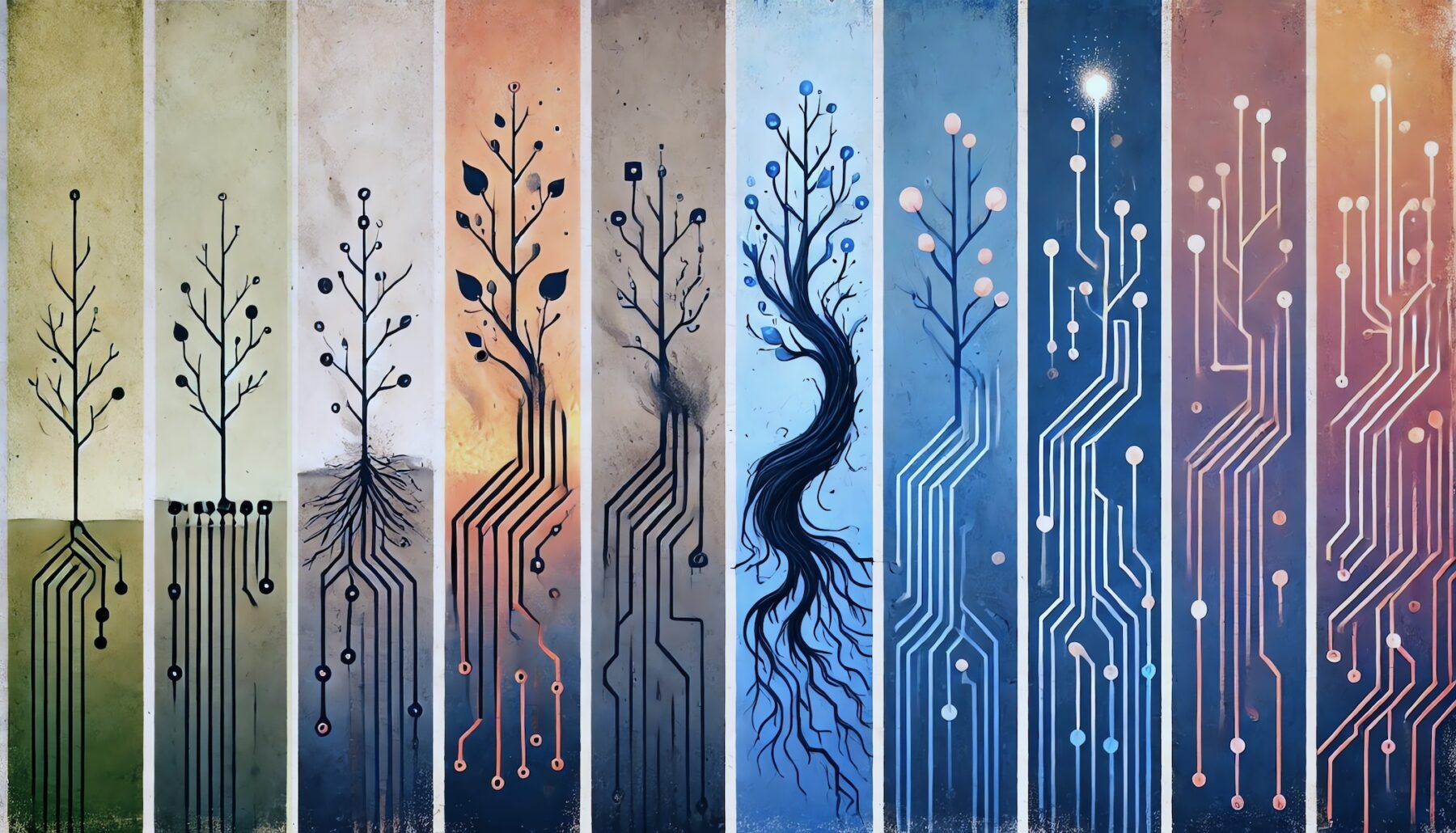
As AI continues to revolutionize sectors and office environments worldwide, an unexpected pattern is developing: a growing quantity of experts is being compensated to address issues caused by the very AI technologies intended to simplify processes. This fresh scenario underscores the intricate and frequently unforeseeable interaction between human labor and sophisticated tech, prompting crucial inquiries regarding the boundaries of automation, the significance of human supervision, and the changing character of employment in our digital era.
For many years, AI has been seen as a transformative technology that can enhance productivity, lower expenses, and minimize human mistakes. AI-powered applications are now part of numerous facets of everyday business activities, including generating content, handling customer service, performing financial evaluations, and conducting legal investigations. However, as the use of these technologies expands, so does the frequency of their shortcomings—yielding incorrect results, reinforcing biases, or creating significant mistakes that need human intervention for correction.
This phenomenon has given rise to a growing number of roles where individuals are tasked specifically with identifying, correcting, and mitigating the mistakes generated by artificial intelligence. These workers, often referred to as AI auditors, content moderators, data labelers, or quality assurance specialists, play a crucial role in ensuring that AI-driven processes remain accurate, ethical, and aligned with real-world expectations.
One of the clearest examples of this trend can be seen in the world of digital content. Many companies now rely on AI to generate written articles, social media posts, product descriptions, and more. While these systems can produce content at scale, they are far from infallible. AI-generated text often lacks context, produces factual inaccuracies, or inadvertently includes offensive or misleading information. As a result, human editors are increasingly being employed to review and refine this content before it reaches the public.
In certain situations, mistakes made by AI can result in more significant outcomes. For instance, in the fields of law and finance, tools used for automated decision-making can sometimes misunderstand information, which may cause incorrect suggestions or lead to problems with regulatory compliance. Human experts are then required to step in to analyze, rectify, and occasionally completely overturn the decisions made by AI. This interaction between humans and AI highlights the current machine learning systems’ constraints, as they are unable to entirely duplicate human decision-making or ethical judgment, despite their complexity.
The healthcare industry has also witnessed the rise of roles dedicated to overseeing AI performance. While AI-powered diagnostic tools and medical imaging software have the potential to improve patient care, they can occasionally produce inaccurate results or overlook critical details. Medical professionals are needed not only to interpret AI findings but also to cross-check them against clinical expertise, ensuring that patient safety is not compromised by blind reliance on automation.
Why is there an increasing demand for human intervention to rectify AI mistakes? One significant reason is the intricate nature of human language, actions, and decision-making. AI systems are great at analyzing vast amounts of data and finding patterns, yet they often have difficulty with subtlety, ambiguity, and context—crucial components in numerous real-life scenarios. For instance, a chatbot built to manage customer service requests might misinterpret a user’s purpose or reply improperly to delicate matters, requiring human involvement to preserve service standards.
Un desafío adicional se encuentra en los datos con los que se entrenan los sistemas de inteligencia artificial. Los modelos de aprendizaje automático adquieren conocimiento a partir de la información ya disponible, la cual podría contener conjuntos de datos desactualizados, sesgados o incompletos. Estos defectos pueden ser amplificados de manera involuntaria por la inteligencia artificial, produciendo resultados que reflejan o incluso agravan desigualdades sociales o desinformación. La supervisión humana resulta fundamental para identificar estos problemas y aplicar medidas correctivas.
The moral consequences of mistakes made by AI also lead to an increased need for human intervention. In fields like recruitment, policing, and financial services, AI technologies have been demonstrated to deliver outcomes that are biased or unfair. To avert these negative impacts, companies are more frequently allocating resources to human teams to review algorithms, modify decision-making frameworks, and guarantee that automated functions comply with ethical standards.
It is fascinating to note that the requirement for human intervention in AI-generated outputs is not confined to specialized technical areas. The creative sectors are also experiencing this influence. Creators such as artists, authors, designers, and video editors frequently engage in modifying AI-produced content that falls short in creativity, style, or cultural significance. This cooperative effort—where humans enhance the work of technology—illustrates that although AI is a significant asset, it has not yet reached a point where it can entirely substitute human creativity and emotional understanding.
The emergence of such positions has initiated significant discussions regarding the future of employment and the changing abilities necessary in an economy led by AI. Rather than making human workers unnecessary, the expansion of AI has, in reality, generated new job opportunities centered on overseeing, guiding, and enhancing machine outputs. Individuals in these positions require a blend of technical understanding, analytical skills, ethical sensitivity, and expertise in specific fields.
Furthermore, the increasing reliance on AI-related correction positions has highlighted possible drawbacks, especially concerning the quality of employment and mental health. Certain roles in AI moderation—like content moderation on social media networks—necessitate that individuals inspect distressing or damaging material produced or identified by AI technologies. These jobs, frequently outsourced or underappreciated, may lead to psychological strain and emotional exhaustion for workers. Consequently, there is a rising demand for enhanced support, adequate compensation, and better work environments for those tasked with the crucial responsibility of securing digital environments.
The economic impact of AI correction work is also noteworthy. Businesses that once anticipated significant cost savings from AI adoption are now discovering that human oversight remains indispensable—and expensive. This has led some organizations to rethink the assumption that automation alone can deliver efficiency gains without introducing new complexities and expenses. In some instances, the cost of employing humans to fix AI mistakes can outweigh the initial savings the technology was meant to provide.
As artificial intelligence continues to evolve, so too will the relationship between human workers and machines. Advances in explainable AI, fairness in algorithms, and better training data may help reduce the frequency of AI mistakes, but complete elimination of errors is unlikely. Human judgment, empathy, and ethical reasoning remain irreplaceable assets that technology cannot fully replicate.
Looking ahead, organizations will need to adopt a balanced approach that recognizes both the power and the limitations of artificial intelligence. This means not only investing in cutting-edge AI systems but also valuing the human expertise required to guide, supervise, and—when necessary—correct those systems. Rather than viewing AI as a replacement for human labor, companies would do well to see it as a tool that enhances human capabilities, provided that sufficient checks and balances are in place.
Ultimately, the increasing demand for professionals to fix AI errors reflects a broader truth about technology: innovation must always be accompanied by responsibility. As artificial intelligence becomes more integrated into our lives, the human role in ensuring its ethical, accurate, and meaningful application will only grow more important. In this evolving landscape, those who can bridge the gap between machines and human values will remain essential to the future of work.


