The Enduring Relevance of Chaplin’s ‘The Great Dictator’
Historical Context and Artistic Courage
‘The Great Dictator’, launched in 1940, remains among the boldest creations of Charlie Chaplin from both a political and artistic standpoint. Unfurling against a backdrop defined by rising European fascism, this motion picture marked Chaplin’s maiden voyage into synchronized sound, stepping into the talkie epoch with a powerful declaration. Although a vast portion of Hollywood exercised restraint regarding European dictators out of anxiety over diplomatic repercussions or censorship, Chaplin fearlessly mocked Adolf Hitler, Benito Mussolini, and the destructive apparatus of totalitarian rule. Such an act proved monumental during a period when the ultimate extent of the Holocaust and Nazi atrocities stayed hidden from a large share of the worldwide audience.
Chaplin’s creation of two central characters—Adenoid Hynkel, the ruthless dictator of Tomainia, and a humble Jewish barber—allowed him to intertwine slapstick comedy, political parody, and pointed commentary with an emotional undercurrent of empathy. This dual role was more than a comic device; it became a reflection of the fluid fragile boundaries between oppression and humanity.
Political Satire and Everlasting Warnings
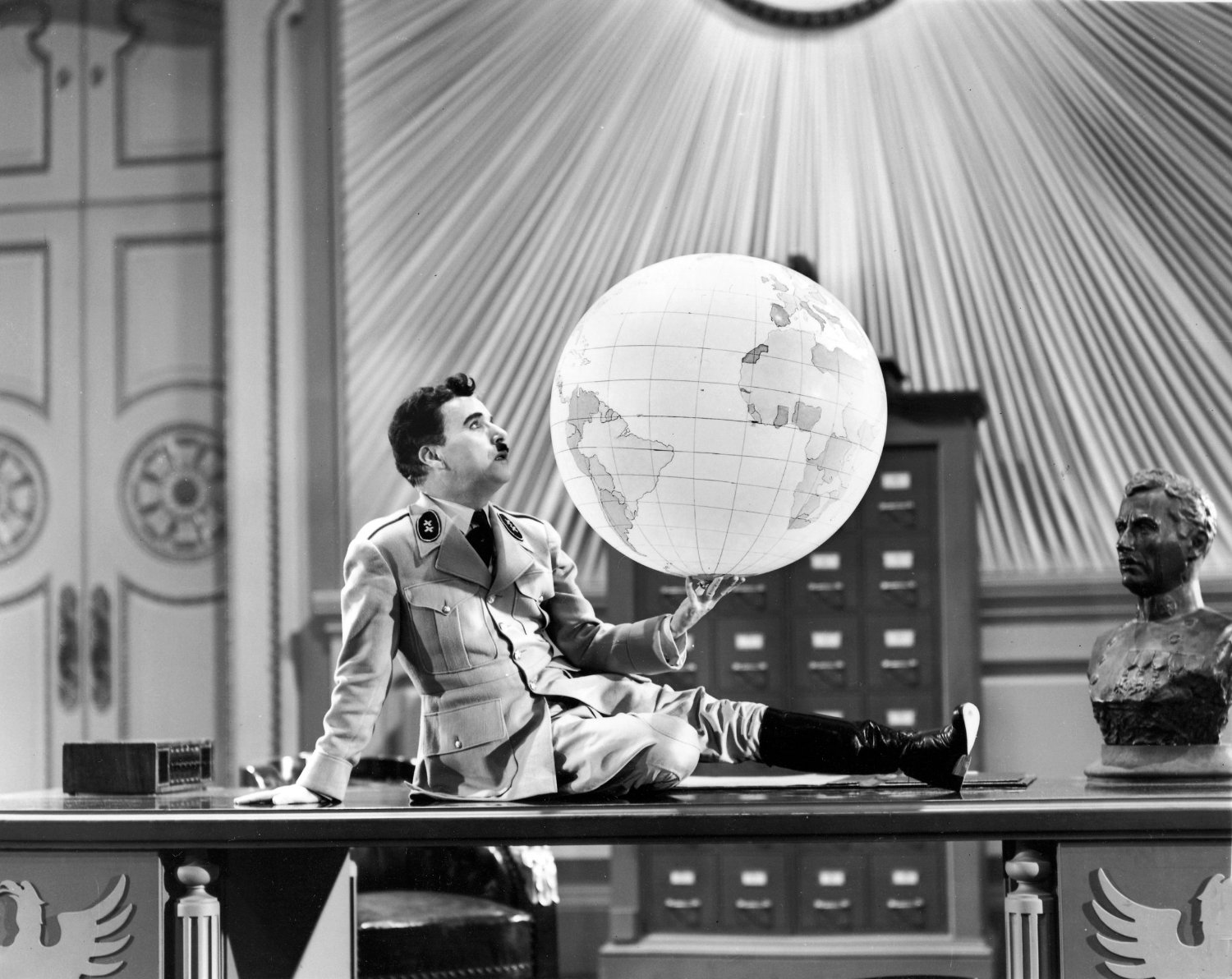
The film’s relevance is anchored in its piercing satire and prescient warnings. By mocking the grandiose speech patterns and shallow symbolism of dictators, Chaplin exposed the absurdity underpinning fascist regimes. The infamous globe-dance scene, in which Hynkel caresses and tosses a balloon-shaped world, remains a masterclass in visual metaphor: it starkly reflects the dictator’s delusion of omnipotence and the chilling fragility of peace.
Aside from its comedy, the script is laced with warnings that transcend its period. Lines delivered by the dictator or his subordinates echo through time, as do the blind followers cheering propaganda or partaking in persecution. Chaplin’s satire reminds current and future audiences how easily societies, under the guise of strength or purity, may descend into violence and persecution.
Today, researchers and sociopolitical analysts frequently reference ‘The Great Dictator’ when examining the revival of autocratic rhetoric, media control, and dehumanizing messaging. Its portrayal of persuasion’s influence—boosted by broadcasts, banners, gestures, and catchphrases—parallels modern digital-age anxieties concerning fake news and the rapid decay of public debate.
The Humanist Speech: A Cinematic and Ethical Touchstone
The iconic concluding monologue of the film has secured a permanent place within cinematic history as well as political discourse. Disguised as the dictator while portraying the humble barber, Chaplin makes a fervent appeal against animosity and avarice, championing compassion and brotherhood among every country and ethnicity. This powerful address marks a striking transition from satire to profound sincerity, striking a chord with people well outside the traditional movie theater.
Across the globe, academic establishments and teachers have leveraged the address to emphasize the imperative of democratic principles, tolerance, and the defense of personal liberties. Particularly during periods of worldwide instability, Chaplin’s message has been excerpted and shared across digital platforms, cited during demonstrations, and alluded to by political leaders. This occurrence highlights the motion picture’s dynamic influence as a work of art and a moral guide.
Influence on Cinematic and Social Discourse
Chaplin’s blending of humor and pathos in ‘The Great Dictator’ has inspired generations of filmmakers—from Stanley Kubrick’s black comedy in ‘Dr. Strangelove’ to satirical political works by Mel Brooks and Sacha Baron Cohen. The technique of using satire to address grave issues has proliferated across film, theater, and television, as creators recognize the power of humor to both disarm and inform.
Beyond its artistic influence, the film spurred robust debate about the responsibility of artists in times of crisis. Should comedy confront oppression or provide escapism? Chaplin’s fearless choice set a benchmark, emboldening other artists to engage with political realities rather than retreat from them. Through retrospectives, critical essays, and inclusion in university syllabi, ‘The Great Dictator’ continues to stimulate discourse about the intersection of entertainment, activism, and ethics.
Modern Parallels and Legacy
With recurrent waves of nationalist fervor, bigotry-fueled violence, and the urge to scapegoat marginalized groups, ‘The Great Dictator’ resonates far past its debut era. Its critiques regarding unthinking obedience and dishonesty stay pertinent across communities grappling with social division and the weakening of democratic protections. The movie’s humanitarian heart—its faith that everyday compassion can outlive despots—offers an alternative message just as crucial today as back in 1940.
As long as power is abused, and the dignity of individuals is threatened by the machinery of hate, Chaplin’s cinematic warning preserves its urgency. ‘The Great Dictator’ stands not just as an artifact of its time, but as a living challenge, reminding audiences that laughter and conscience, when coupled, can serve as formidable defenses against cruelty.