

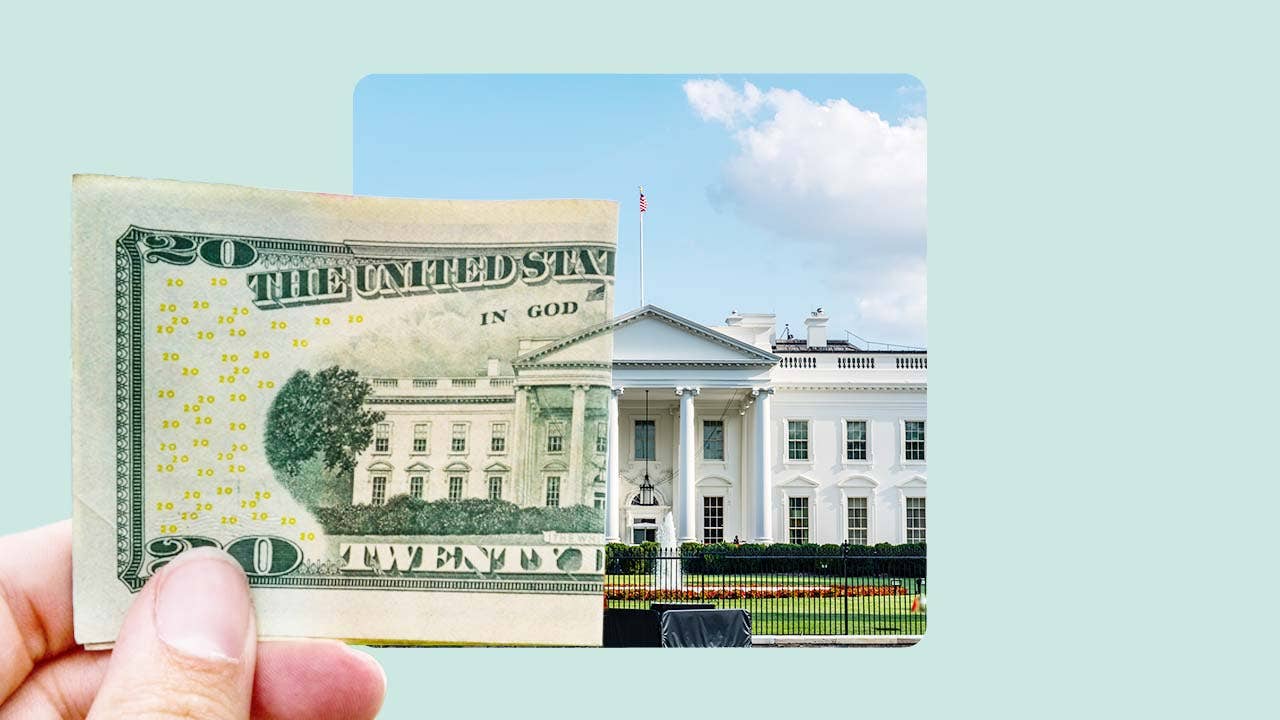
An economic crisis, whether triggered by a recession, banking collapse, geopolitical tension, or a global pandemic, often creates waves of uncertainty. Savings can be jeopardized by inflation, currency devaluation, stock market crashes, and mass unemployment. The 2008 Global Financial Crisis, for example, saw many individuals lose substantial portions of their investments and face liquidity challenges almost overnight. Protecting your savings during such turbulent times is crucial for maintaining financial stability and peace of mind.
Diversification: The Fundamental Shield
Diversification is the fundamental principle for safeguarding savings. Spreading assets across multiple categories—like cash, bonds, equities, commodities, and real estate—reduces risk exposure. For instance, during the 2020 pandemic, while global equities plummeted early on, gold prices soared as investors rushed toward safe-haven assets. Similarly, real estate values in certain markets proved resilient, highlighting the value of holding a mix of assets.
Case Study: An analysis by Vanguard during the 2008 crisis revealed that portfolios split equally among stocks, bonds, and cash experienced significantly less volatility and smaller drawdowns than portfolios comprised solely of equities. Investors who held U.S. Treasury bonds saw positive returns, acting as a buffer when stock values declined.
Preserving Sufficient Liquidity
During economic downturns, the ability to access cash quickly is paramount. Experts generally recommend keeping an emergency fund equal to three to six months of living expenses in a high-yield savings account or money market fund. This liquidity ensures you can meet financial obligations without resorting to selling long-term investments at a loss or taking on expensive debt.
Historical data supports this approach: During the Eurozone crisis of 2012, individuals with sufficient liquid savings could cover urgent expenses even as credit tightened and job losses mounted. In contrast, those without emergency reserves risked financial distress or were forced to sell assets under unfavorable conditions.
Administration of Currency and Inflation Dangers
Currency devaluation and rising inflation are common during crises. To preserve purchasing power, consider diversifying currency exposure, particularly if your home currency is volatile or your country is prone to hyperinflation. Holding a portion of savings in stable foreign currencies, such as the U.S. dollar or Swiss franc, can be accomplished through multicurrency accounts or international bond funds.
Inflation erodes the real value of savings over time. To mitigate this, look into inflation-protected securities, such as U.S. Treasury Inflation-Protected Securities (TIPS) or similar instruments available in other markets. These securities adjust principal and interest payments in line with official inflation rates, providing a hedge against the diminishing value of money.
Selecting Reputable Financial Institutions
Bank collapses and financial frauds can devastate savers, as seen in the collapses of high-profile banks during the 2008 crisis. Always ensure that your bank or credit union is backed by government insurance, such as the Federal Deposit Insurance Corporation (FDIC) in the United States, which covers deposits up to specified limits. For balances exceeding insured thresholds, consider spreading funds across multiple institutions.
Furthermore, avoid high-risk, unregulated investment products often marketed aggressively during times of uncertainty. Regulatory agencies and consumer advocates consistently report increased scams during economic downturns, targeting those desperate for higher yields or rapid recovery of losses.
Lowering Financial Liabilities
Debt can swiftly intensify financial pressure during an economic downturn, particularly when income becomes unstable. Focus on settling high-interest liabilities, like credit cards and payday loans, before directing efforts towards increasing savings. If feasible, refinance long-term commitments to secure reduced interest rates—often an option when central banks decrease rates to counteract economic slumps.
Real-life examples abound: Homeowners who refinanced mortgages during the low-rate environment following the 2008 crisis reported significant monthly savings, which could then be reallocated to emergency savings or less-volatile investments.
Regularly Monitoring and Rebalancing
A fixed method for saving and investing can become dangerous amidst quickly evolving economic climates. Plan periodic examinations of your asset distribution and savings plans. Automated notifications from financial institutions or specialized financial software can assist in monitoring major changes and indicate when adjustments are needed.
For example, a 2023 survey by Fidelity Investments highlighted that investors who rebalanced portfolios at least annually weathered volatile periods better than those who did not, maintaining closer alignment with their long-term goals and risk tolerance.
The Importance of Expert Advice
Seeking guidance from qualified financial professionals can offer personalized tactics, especially when dealing with intricate matters like inheritances, business ownership, or international assets. Numerous advisors provide scenario analysis and stress testing, illustrating how your savings could behave in different economic upheavals.
It is important to vet professional credentials carefully—use trusted directories and second opinions, particularly as financial stress can lead some to fall victim to unscrupulous actors posing as experts.
Useful Actions for Daily Savers
To manage financial uncertainty with more assurance, begin by evaluating and modifying your family budget to account for possible declines in income or increased living expenses. Enhance your savings practices by establishing automatic transfers—even small amounts—into specific accounts to foster long-term discipline. Investigate the safeguards available through employer-sponsored retirement plans, ensuring your contributions are diversified across different types of funds. Utilize reliable price comparison tools to discover competitive rates on savings accounts, certificates of deposit, or other fixed-income choices. Finally, remain informed about broader economic changes, but avoid making hasty decisions driven by alarming news reports.
Defensive Approaches for a Stable Financial Future
Economic crises are, by nature, unpredictable and often force longstanding financial assumptions to be reexamined. A resilient approach to securing your savings blends strategic diversification, liquidity management, vigilant monitoring, and ongoing learning. While no strategy can provide absolute certainty amid volatility, consistently applying these principles can position you to not only weather economic storms but also emerge with the confidence to pursue future financial goals.



.jpg "Key compliance requirements for maintaining a Panama offshore company")