

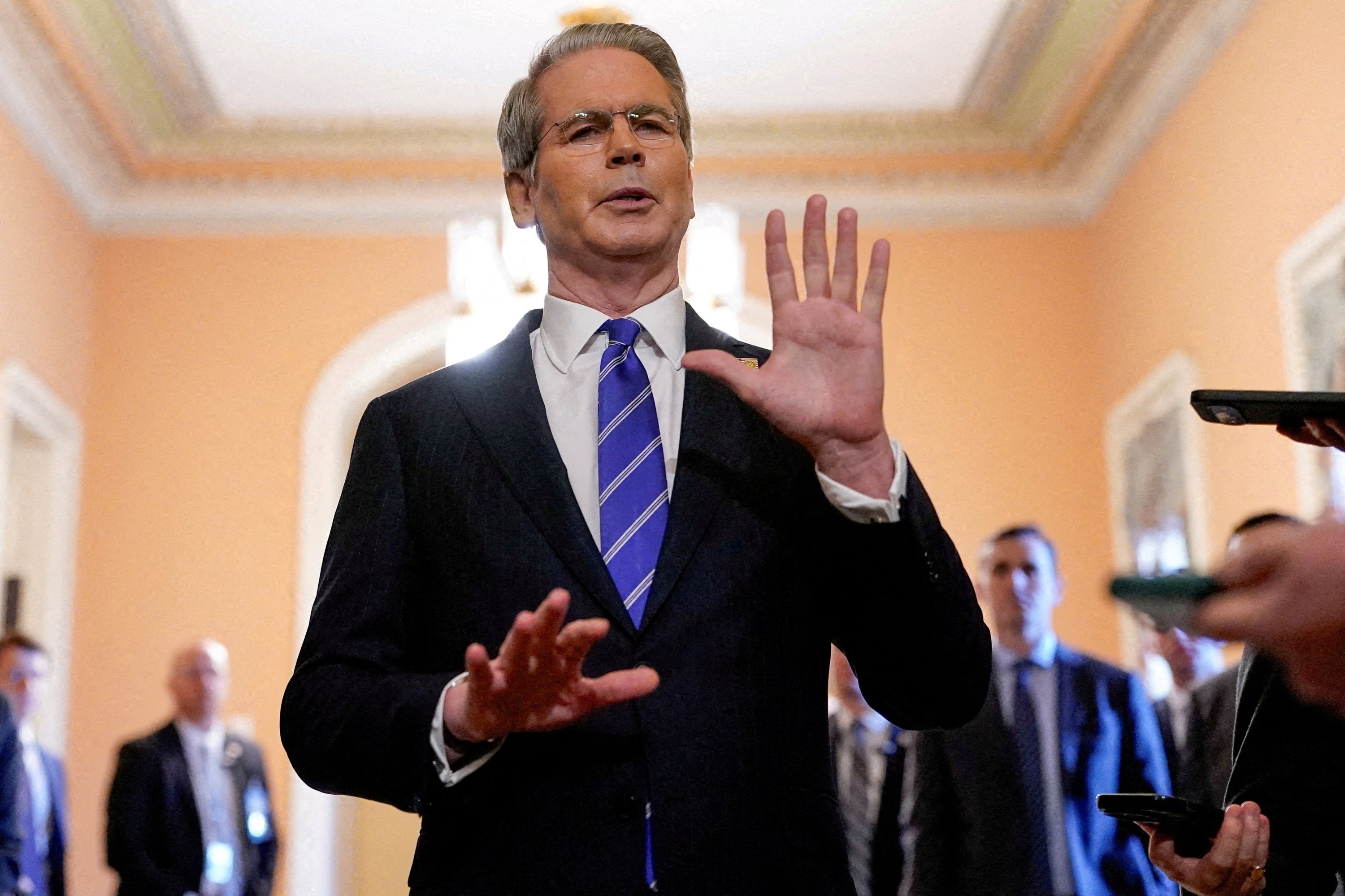
In a move that is already generating significant discussion within financial and political circles, U.S. Treasury Secretary Scott Bessent has called for a sweeping review of the Federal Reserve’s structure, decision-making processes, and policy framework. The statement signals growing concern over the central bank’s role in managing the nation’s economic stability amid complex global and domestic challenges.
Bessent, speaking at a recent financial summit in Washington, emphasized the need to reassess the Federal Reserve’s broad mandate and its tools for executing monetary policy. He underscored that the goal of such a review would not be to undermine the institution’s independence, but rather to ensure that it remains responsive, transparent, and effective in the face of evolving economic realities.
The period when Bessent made these observations is significant. Rising inflation, global political instability, and an unequal recovery after the pandemic have made it challenging for the Fed to manage both price stability and job growth. Although the central bank has significantly increased interest rates in recent times to combat inflation, some critics believe its measures could lead to an economic deceleration. Bessent’s remarks seem to indicate a rising demand for responsibility and more transparency about the Fed’s long-term plans.
According to Bessent, the proposed review would explore several key areas, including how the Federal Reserve sets interest rates, its approach to financial regulation, and the structure of its leadership and regional banks. He pointed out that while the Fed has long been a pillar of U.S. economic stability, no institution should be immune to thoughtful reassessment—especially one with such wide-reaching influence.
An area to consider might be the dual mandate itself. The Federal Reserve is charged with encouraging optimal employment and ensuring price stability. Nonetheless, critics from both political sides have expressed doubts about whether the existing policy instruments and structures are appropriate for the current economic climate, especially given the swift technological advancements, labor market challenges, and increasing inequality.
Bessent also highlighted the need for enhanced transparency and public engagement. The central bank, though technically independent, plays an outsized role in shaping the economic outlook of every American household and business. As such, there is a growing consensus that the Fed must better communicate its goals, methodologies, and potential trade-offs in a way that is accessible to the public.
Investor responses to Bessent’s remarks have varied. Some see the request for an assessment as a prudent and essential step, while others worry about possible political influence or excessive regulation. Nonetheless, Bessent made it clear that his aim was not to undermine the Fed’s autonomy but to enhance public confidence through a constructive review and modernization if needed.
This is not the first time the Federal Reserve has come under scrutiny. Periodic calls for reform have emerged over the years, often in response to economic downturns or policy missteps. However, Bessent’s stature as Treasury Secretary adds weight to the current proposal, suggesting that it may gain traction in both Congress and financial policy circles.
Economic analysts note that any substantive review of the Fed would require collaboration across agencies and likely involve input from academics, former central bankers, and international experts. A comprehensive audit or restructuring would take time, and any changes would need to be carefully implemented to avoid market instability or disruption to the Fed’s core functions.
Bessent’s observations are made at a moment when central banks across the globe are facing comparable challenges. Monetary authorities in Europe, Asia, and Latin America are reevaluating models of inflation, strategies regarding interest rates, and their duties in fostering financial inclusion and ecological sustainability. As economic frameworks become increasingly linked and the pace of digital finance quickens, the conventional approach to central banking is under pressure.
In calling for a review, Bessent appears to be aligning U.S. economic policy with this global trend toward institutional introspection and reform. His message resonates with those who believe the Federal Reserve must adapt to a rapidly changing world, where economic volatility, climate risks, and shifting labor dynamics demand new approaches.
Bessent’s remarks could also spark debate in Congress, where opinions about the Fed often vary along ideological lines. Some lawmakers may see the proposal as a chance to address long-standing concerns about accountability, while others may worry about unintended consequences for market confidence. Regardless, the conversation about the Fed’s future role is likely to intensify in the months ahead.
Looking forward, the next steps may involve the formation of a nonpartisan commission or task force to conduct a thorough review of the Federal Reserve System. Such an initiative would likely examine historical performance, policy outcomes, structural governance, and opportunities for reform. Key issues might include how monetary policy is coordinated with fiscal policy, how the Fed addresses regional disparities, and how it navigates emerging economic risks such as digital currencies and climate-related financial shocks.
In the current situation, the Fed is grappling with urgent policy considerations. Although there are indications of easing in inflation, economic expansion remains delicate, leaving its future actions unclear. Bessent’s proposal for reassessment does not instantly alter the Fed’s existing direction, but it does imply that discussions regarding monetary policy and central bank responsibility are evolving into a fresh stage.
Whether this results in incremental reform or more substantial changes to the Federal Reserve’s structure, one thing is clear: the institution will remain under close scrutiny as it navigates the economic challenges of the coming years. And with figures like Scott Bessent advocating for a comprehensive reassessment, the future direction of U.S. monetary policy may well be shaped not just by interest rate decisions, but by broader questions of governance, transparency, and public trust.



.jpg "Key compliance requirements for maintaining a Panama offshore company")