The term “retro” evokes nostalgia and a return to styles and sensibilities of the past. But what exactly constitutes a retro trend, and why do they captivate consumers across generations? Let’s delve into the concept of retro trends, exploring their origins, their influence on various industries, and examples that highlight their persistent allure.
The Core Spirit Behind Retro Trends
A retro trend describes the resurgence of past-era styles, concepts, and aesthetics, often refreshed or reinterpreted to align with current preferences. These trends typically flourish by drawing on nostalgia, offering people a reassuring sense of the familiar. Retro influences can appear in fashion, music, technology, interior décor, and nearly every cultural or commercial sphere.
Background and Development Through Time
Retro trends can be traced back many decades, with each era shaped by its own distinct traits, and historically the appeal of retro has risen from recurring cycles in cultural preferences; in the fashion world, earlier looks tend to reemerge roughly every 20 to 30 years, offering new generations the chance to encounter aesthetics they may not have seen firsthand, and the vivid colors and bold patterns of the 1970s, for example, have repeatedly resurfaced in contemporary fashion collections.
Movies and television also play a crucial role in reintroducing retro styles. Consider the success of shows like “Stranger Things,” which sparked a renewed interest in the 1980s through its setting and storyline, influencing apparel, soundtrack styles, and even home décor.
Vintage-Inspired Trends Emerging Across Diverse Industries
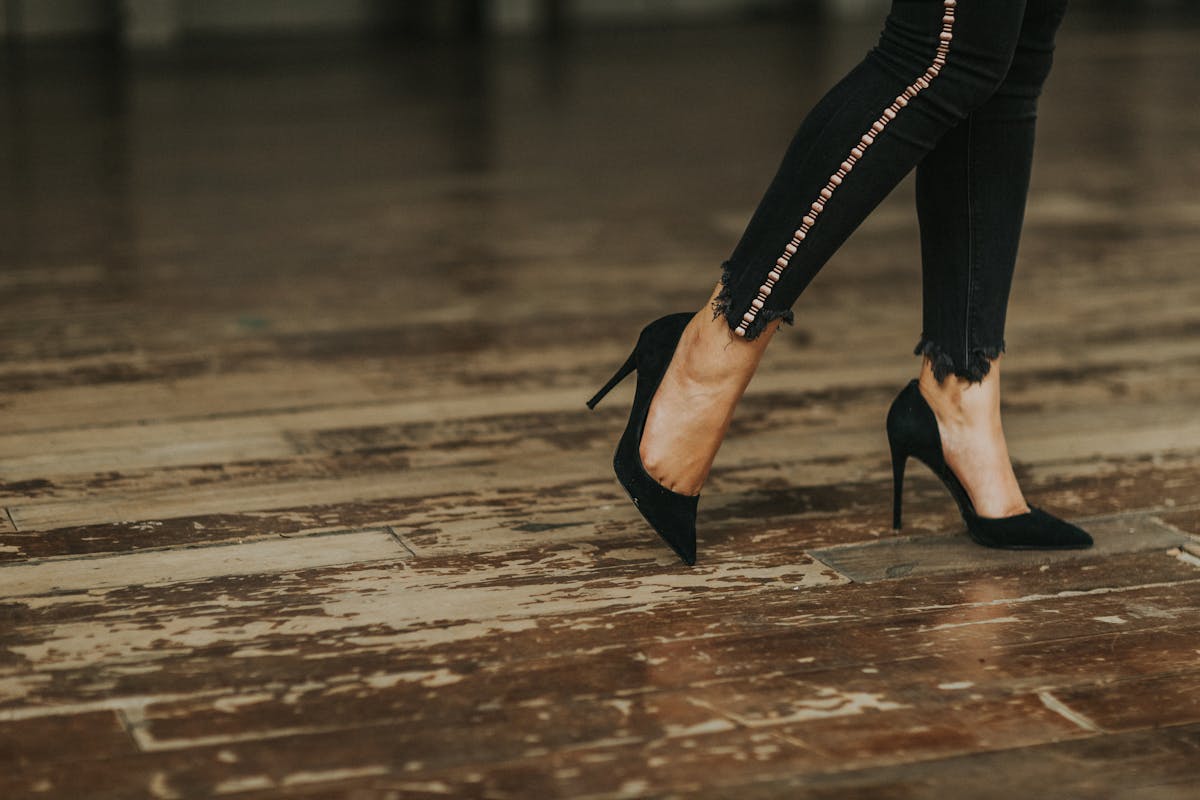
1. **Fashion: The fashion industry is perhaps the most visible arena where retro trends emerge. High-waisted jeans, vintage jewelry, and flared trousers often swing back into vogue, celebrating past aesthetics while integrating modern fabric technology.
2. Technology: Retro tendencies in technology typically merge sentimental appeal with contemporary practicality. Devices like Polaroid cameras and turntables combine nostalgic charm with refreshed capabilities. In the same way, gaming consoles often introduce retro editions of classic titles, drawing in longtime fans as well as new audiences.
3. Interior Design: In home décor, retro influences appear in mid-century modern furnishings, nostalgic wallpaper patterns, and classic color palettes such as avocado green and burnt orange, while interiors are frequently embellished with iconic pieces from earlier decades, merging past and present to create a lasting aesthetic.
4. Music: Retro trends in music often revive sounds and production methods from earlier eras, as vinyl records return in force and streaming services feature curated ’80s pop or ’90s R&B playlists that evoke a nostalgic listening experience.
The Psychological Appeal of Retro Trends
The popularity of retro trends can be attributed to a deep-seated psychological phenomenon known as “nostalgia,” which imbues past experiences with warmth and positivity. This emotional response enhances consumer willingness to engage with products or ideas that trigger fond memories. Additionally, retro trends offer predictability and comfort in uncertain times, further boosting their attractiveness.
Retro trends represent an ongoing exchange between past and present, allowing consumers to revisit treasured memories or delve into eras long gone. This blend of nostalgia and modern creativity encourages constant exploration and reinvention. As society continues to shift, these retro influences are expected to endure, linking different generations through a shared admiration for the aesthetic and cultural legacies of history. This lasting cycle of revival underscores humanity’s fondness for meaningful moments and its continually expanding imagination.