

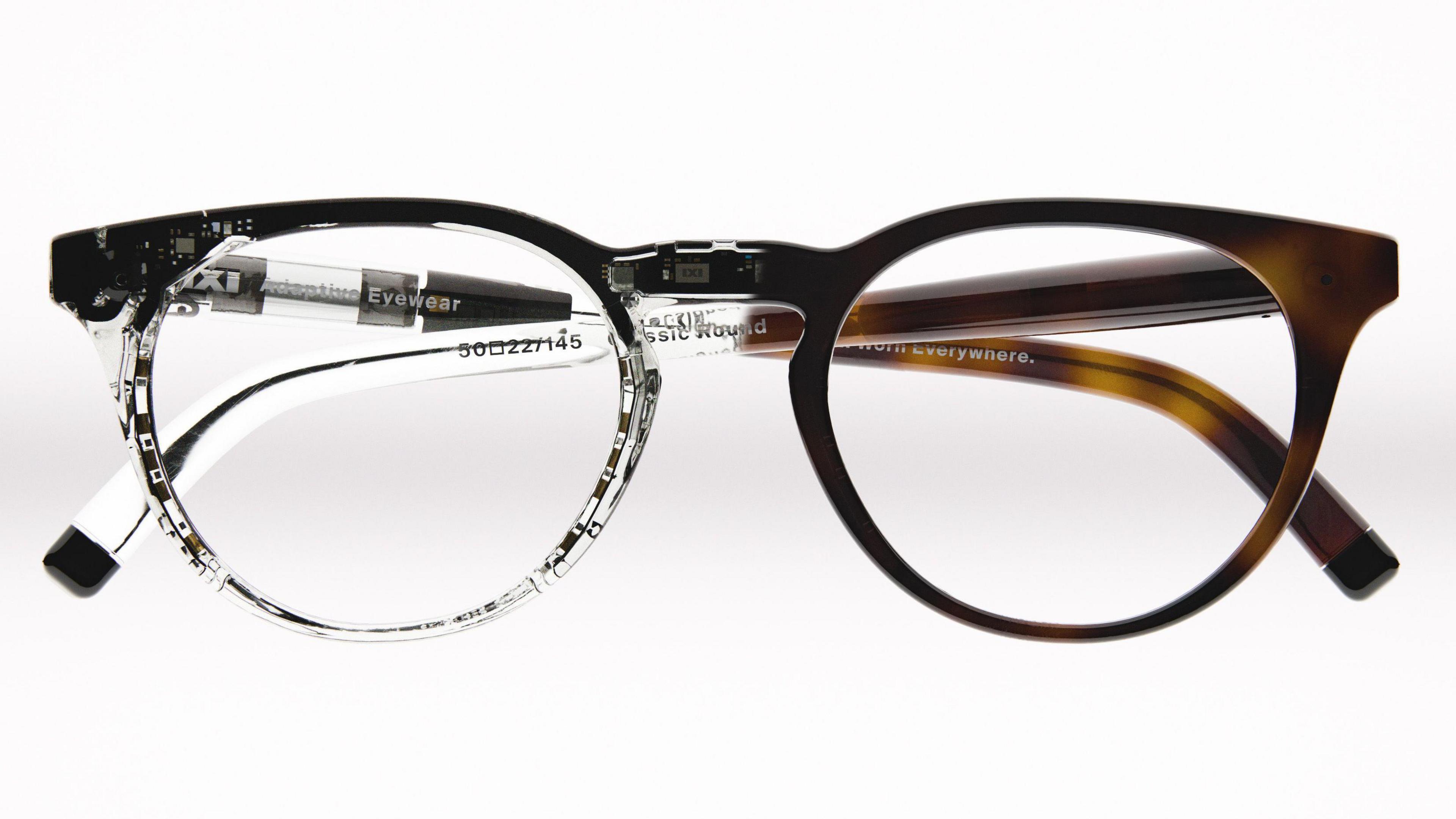
Advancements in optical technology are transforming the way people see the world, with new developments promising a future where glasses can automatically adjust focus, providing sharp vision at varying distances without the need for multiple pairs or bifocal lenses. These next-generation eyeglasses, often referred to as “autofocus” or “adaptive focus” glasses, are capturing attention for their potential to revolutionize how individuals manage vision challenges such as presbyopia and other age-related sight conditions.
Presbyopia, a common vision issue that typically begins to affect individuals over the age of 40, reduces the eye’s ability to focus on close objects due to the hardening of the eye’s natural lens. Traditionally, people with presbyopia have relied on reading glasses, bifocals, or progressive lenses to compensate for this loss of flexibility. However, these solutions often come with compromises. Bifocals and progressives require users to adjust their head position to see clearly through different zones of the lens, while switching between multiple pairs of glasses can be cumbersome and inconvenient.
A new generation of auto-focus eyewear is set to tackle these obstacles through advanced technology that modifies the lens focus dynamically. Rather than having fixed lens configurations, these cutting-edge glasses incorporate sensors, fluid lenses, and intelligent algorithms to consistently respond to the user’s visual requirements, whether it’s perusing a novel, viewing a mobile device, or observing a distant object.
At the heart of this technology lies the idea of adjustable lenses. In contrast to conventional static lenses, these variable lenses are capable of altering their optical power to focus on objects located at various distances instantaneously. Certain models employ liquid crystal substances or fluid-filled chambers that alter shape with the application of an electric current. Other designs utilize mechanical systems or electro-optic techniques to produce comparable outcomes. The eyewear determines the user’s gaze direction and the distance to the object, subsequently modifying the lens as needed.
One notable advantage of autofocus glasses is the seamless visual experience they provide. Wearers no longer need to tilt their heads or strain their eyes to find the “sweet spot” of their glasses. Whether switching from near to far or vice versa, the adjustment is smooth, automatic, and nearly imperceptible. This creates a more natural and comfortable visual experience that closely mimics how the human eye is designed to function.
For individuals with complex vision needs—such as those with multiple prescriptions or conditions like astigmatism—the potential of autofocus technology is particularly appealing. It offers the possibility of consolidating several vision aids into a single pair of glasses that can meet diverse needs throughout the day, reducing dependence on separate reading glasses, computer glasses, or distance vision lenses.
The creation of these cutting-edge eyeglasses is propelled by both consumer interest and progress in materials science, miniaturization, and wearable tech. Both new companies and well-known eyewear brands are investigating different methods to introduce adaptive focus eyewear to consumers. A few prototypes have already reached limited production, with early users examining the features and offering useful feedback.
One of the key technical challenges facing this innovation is power supply. Most autofocus glasses require a small battery to operate the sensors and lens adjustment mechanisms. Ensuring that these components are energy-efficient, lightweight, and unobtrusive is critical for user comfort and long-term wearability. Additionally, designers are working to make the glasses aesthetically pleasing, so users don’t have to sacrifice style for function.
Cost is another factor that may influence the adoption of autofocus glasses. As with many emerging technologies, initial versions of these smart glasses are likely to carry a premium price tag, placing them out of reach for some consumers. However, as the technology matures and manufacturing scales up, costs are expected to decrease, making them more accessible to a broader population.
Health and safety considerations are also integral to the development process. Eye care professionals are closely evaluating the long-term effects of using autofocus glasses, ensuring that they do not cause visual discomfort, eye strain, or other unintended consequences. Regulatory approvals and clinical trials may be required before these glasses become widely available in the consumer market.
Beyond individual usage, the possible uses of adaptive focus eyewear span across multiple sectors and careers. Surgeons, pilots, engineers, and those involved in precision manufacturing might gain from spectacles that can adjust to varying focus distances on the spot, boosting efficiency and minimizing mistakes. Likewise, individuals with vision challenges that make conventional lenses difficult to use might achieve newfound autonomy with these sophisticated gadgets.
The integration of artificial intelligence (AI) and machine learning is another exciting frontier in the development of autofocus glasses. By learning from a user’s behavior, preferences, and habitual activities, AI algorithms could anticipate visual needs more accurately over time, offering an even more seamless experience. For example, glasses might automatically adjust to reading mode when the user picks up a book, then switch to distance mode when walking outdoors, all without manual intervention.
El potencial para la conectividad con teléfonos inteligentes y otros dispositivos digitales también abre nuevas oportunidades. Algunos diseños imaginan integrar asistentes de voz, pantallas de notificaciones o características de realidad aumentada en gafas adaptativas, creando dispositivos multifuncionales que combinan corrección visual con tecnología inteligente. Esta convergencia de innovación óptica y digital refleja tendencias más amplias en la tecnología vestible, donde la conveniencia y la funcionalidad están cada vez más entrelazadas.
Consumer feedback will play a vital role in shaping the future of autofocus glasses. Early users are likely to influence design improvements, software refinements, and feature priorities. As with any new technology, usability, comfort, and reliability will determine how quickly these glasses move from niche product to mainstream solution.
Public understanding and awareness hold the same level of significance. Numerous people might not be acquainted with the concept of spectacles that adjust focus autonomously, and clear communication on the advantages, constraints, and secure operation of this technology will be crucial. Eye care professionals, including optometrists and ophthalmologists, must gain knowledge about these products to recommend them suitably and offer advice on their application.
In the context of an aging global population, the market for vision correction solutions is substantial and growing. Presbyopia alone affects hundreds of millions of people worldwide, and as life expectancy increases, the demand for comfortable, versatile, and effective eyewear is likely to rise. Autofocus glasses have the potential to meet this demand in a way that current static lenses cannot.
Looking ahead, continued investment in research and development will be necessary to refine autofocus technology, reduce costs, and expand its availability. Collaboration between technology firms, optical specialists, and healthcare providers will help accelerate progress and ensure that the resulting products meet the highest standards of performance and safety.
Although it is still the initial phase for glasses with autofocus, the trajectory is evident: the evolution of vision correction is leaning towards being more intelligent, adaptive, and tailored. As these innovations progress from design to manufacturing, they have the potential to significantly transform how individuals perceive and engage with their surroundings, providing increased liberty, adaptability, and eye comfort to countless people worldwide.


