

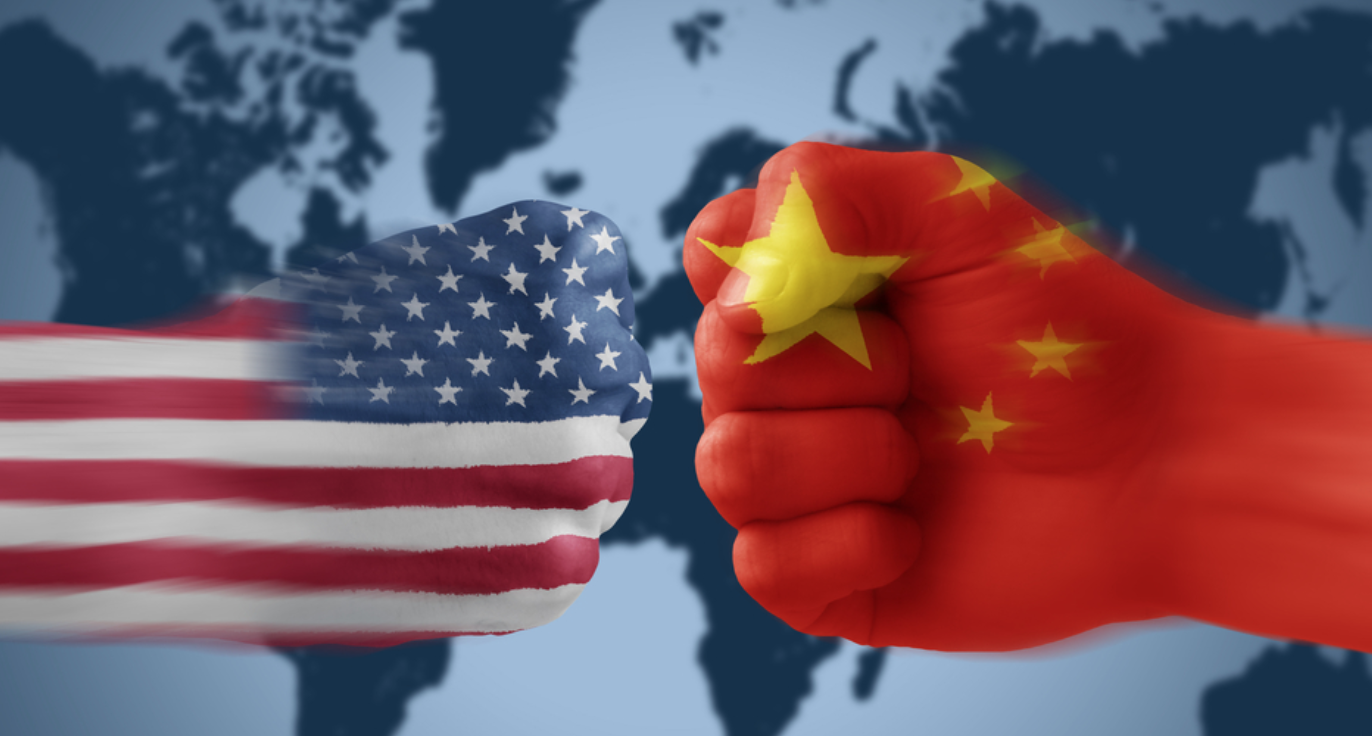
The financial environment throughout Asia is facing increased unpredictability due to the recent series of tariff threats from ex-U.S. President Donald Trump. Trump’s assertive approach to trade, a long-standing feature of his economic policies, is again affecting global markets, supply networks, and diplomatic interactions. With tensions climbing, analysts are debating if any side genuinely gains from this growing trade conflict.
At the heart of the matter is Trump’s renewed focus on imposing tariffs as a means of addressing what he perceives as imbalances in the global trading system. In particular, Asian economies—many of which have built their growth strategies around export-driven models—find themselves in the crosshairs of potential new trade barriers. The ripple effects are being felt not only in China, which has been a primary target of past tariff rounds, but also in nations such as South Korea, Japan, Vietnam, and others whose economies are closely intertwined with both Chinese manufacturing and U.S. consumer markets.
The suggested tariffs are included in a larger theme promoted by Trump starting with his initial run for the presidency: the belief that unfair trade practices have placed the United States at a disadvantage and that protective actions are required to bring about equilibrium. Although this message has found support among certain parts of the American population, notably in industrial areas affected by manufacturing downturns, its worldwide consequences have been extensive and multifaceted.
Asian markets have reacted with justified nervousness. Several economies in this area depend significantly on exports to the United States, including not only manufactured items but also agricultural goods, electronics, clothing, and car components. The possibility of higher tariffs has raised fears about diminished competitiveness, possible job cuts, and decelerating economic expansion.
The situation is especially challenging for China, as it has often been at the heart of trade conflicts with the United States. Even though Beijing has made efforts to broaden its trade partnerships and boost internal consumption, the U.S. continues to be one of its major export destinations. A resumption of trade tensions could threaten the delicate economic recovery initiatives following recent global turmoil.
Other Asian nations that have positioned themselves as alternative manufacturing hubs—such as Vietnam, Malaysia, and India—also face a delicate balancing act. On the one hand, some stand to gain if companies relocate supply chains away from China to avoid tariffs. On the other hand, if tariffs are applied broadly or if global demand weakens, these same countries could suffer from the wider economic slowdown.
The financial markets have reflected this growing anxiety. Asian stock indices have shown increased volatility, with investors wary of the potential for disrupted supply chains and lower corporate earnings. Currency fluctuations have also intensified as traders assess the implications of potential trade restrictions on regional economies.
Besides the financial impacts, the political implications are considerable. Nations across Asia have historically depended on steady trade connections to bolster their growth. The uncertainty surrounding U.S. trade strategy under Trump’s administration leads to doubts regarding the dependability of the global economic structure that has existed for years. This situation has driven certain countries to hasten initiatives to enhance regional trade deals, like the Regional Comprehensive Economic Partnership (RCEP), aiming to lessen reliance on Western marketplaces.
Despite the turmoil, there are limited signs of clear “winners” in this scenario. While some industries in the U.S. might see temporary gains from increased protectionism, these are often offset by higher costs for consumers and retaliatory measures from affected countries. American farmers, for instance, have previously suffered from diminished export markets when foreign governments imposed counter-tariffs on agricultural products in response to U.S. actions.
In a similar fashion, Asian economies gaining from shifts in supply chains might face long-term unpredictability following short-lived advantages. Businesses hesitate to pour significant resources into new plants if trade regulations keep shifting with political changes. Additionally, the interlinked nature of today’s supply chains indicates that disturbances in one area can trigger global effects, impacting manufacturing, costs, and jobs well beyond the initial point of disruption.
The situation also underscores the broader debate over globalization and the balance between national interests and international cooperation. Trump’s tariff strategy reflects a broader trend of economic nationalism that has gained traction in various countries. Critics argue that while protectionist measures can yield political dividends domestically, they often undermine the cooperative frameworks that have underpinned global economic stability.
From an economic standpoint, many experts caution that the reintroduction of aggressive tariff measures could slow global growth at a time when many countries are still recovering from the effects of the COVID-19 pandemic and ongoing geopolitical uncertainties. With energy prices volatile, inflationary pressures persisting, and consumer demand uneven, the prospect of new trade barriers adds another layer of complexity to an already challenging economic environment.
The corporate sector, within Asia and beyond, has continually promoted the importance of consistency and foreseeability in trade policies. Global companies functioning across nations need well-defined regulations and minimal interruptions to sustain their profitability and safeguard employment. The revival of tariff dangers unsettles this consistency, compelling firms to reevaluate their investment strategies, supply chain approaches, and future expansion forecasts.
Moreover, there are social consequences to consider. In many Asian countries, export-driven industries provide employment for millions of workers, particularly in manufacturing sectors such as electronics, textiles, and automotive parts. Tariffs that reduce export demand could lead to factory closures, job losses, and social instability. For governments in the region, this poses a serious challenge that extends beyond economics to include social welfare and political stability.
The effect on the environment from changing supply chains is increasingly a worry. As producers look for different places to bypass tariffs, the growth of industrial operations into fresh areas might result in higher use of resources, harm to ecosystems, and obstacles to sustainable growth. These problems contribute another layer to the already intricate debate about international trade regulations.
As the debate over tariffs continues, some analysts argue for renewed efforts toward multilateral engagement and reform of international trade institutions. They point out that while the global trading system is not without flaws, solutions are more likely to be effective and sustainable when pursued through negotiation and consensus rather than unilateral action. Rebuilding trust among trading partners and addressing underlying issues such as intellectual property rights, labor standards, and environmental protections could pave the way for a more balanced and resilient global economy.
In the meantime, Asian governments are working to navigate this period of uncertainty by diversifying economic partnerships, investing in domestic growth, and strengthening regional ties. The ability to adapt to shifting global dynamics will be crucial for maintaining stability and fostering continued development in the face of external pressures.
For the United States, the question remains whether a return to aggressive tariff policies would achieve the intended economic objectives or whether it would risk unintended consequences that could reverberate across both domestic and international landscapes. While tariffs can offer short-term protection for certain industries, they also have the potential to trigger inflation, disrupt supply chains, and strain diplomatic relations.
As global economies remain closely connected, the impact of any significant change in U.S. trade policy will inevitably extend far beyond American borders. For Asia, the stakes are high, and the coming months will be critical in determining how countries in the region respond to the shifting terrain of international commerce.
In the end, the inquiry into whether there are any real victors in a trade environment governed by tariffs remains unanswered. Although protectionism can seem attractive to political motivations, the sustainable health of the worldwide economy relies on unity, stability, and acknowledging that economic success is typically reached through partnerships rather than disputes.



.jpg "Key compliance requirements for maintaining a Panama offshore company")