

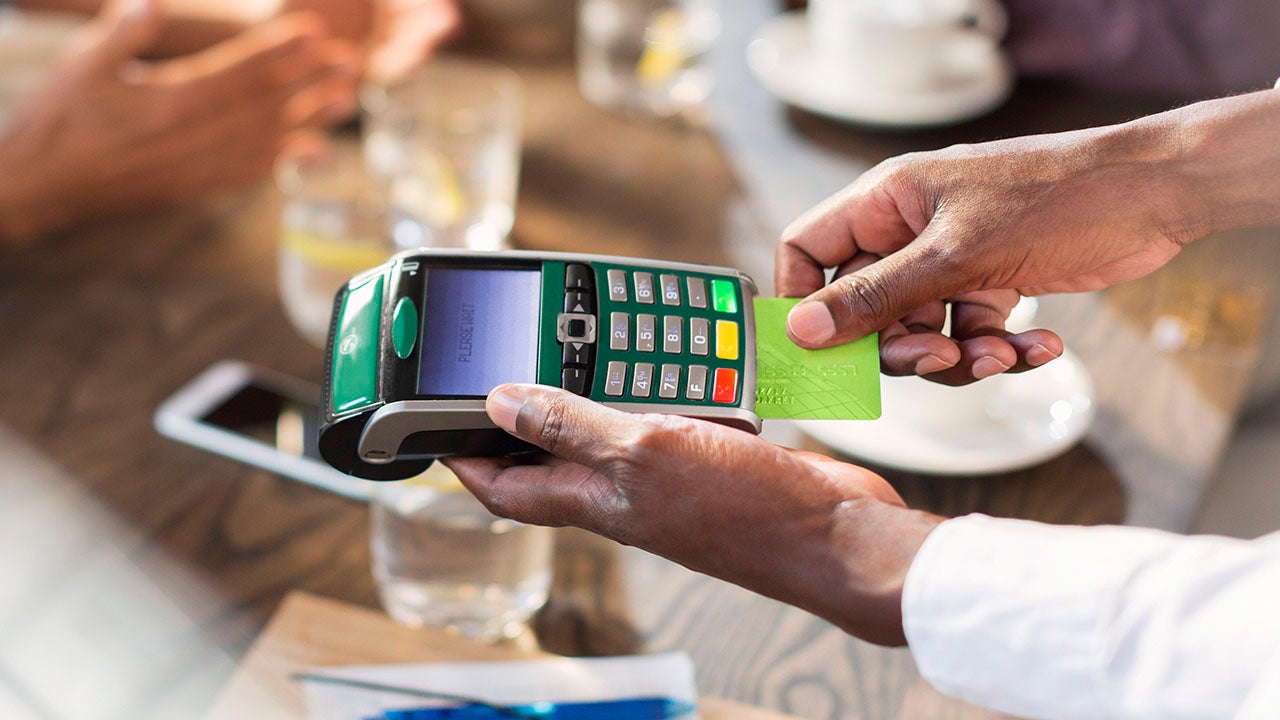
The modern financial world is intricately woven with diverse payment instruments, two of the most prevalent being credit cards and debit cards. Although these cards often look similar—rectangular plastic with a chip, a strip, and company logos—their functionalities and implications for consumers are fundamentally different. Knowing these differences can elevate your financial literacy, improve security, and help you manage your money efficiently.
Core Financial Mechanisms
Credit cards function primarily as borrowing tools. When a credit card is utilized for a transaction, it means you are drawing upon a credit line provided by your issuing bank or financial entity. Consequently, the bank covers the cost on your behalf, and you are required to reimburse the bank at a subsequent time, either entirely each month or in installments with added interest. In contrast, debit cards are directly connected to either a checking or savings account. Any operation performed with a debit card instantly subtracts money from your current balance, positioning them as instruments for spending your own capital instead of borrowed money.
Approval Processes and Eligibility
Credit cards usually necessitate an evaluation of your financial reliability. Financial institutions examine your credit rating, earnings, and payment track record prior to sanctioning an application. Superior credit scores can unlock cards offering enhanced benefits, reduced interest rates, and elevated spending caps. Debit cards, conversely, are commonly provided to individuals opening a checking account and do not involve credit inquiries, thus making them easily available to a broader demographic, including those with limited or unfavorable credit histories.
Transaction Limits and Overdrafts
With a debit card, your transaction capabilities are limited by the balance in your linked account. Some banks allow overdrafts—spending slightly more than your account balance—but this is not always automatic and can involve significant fees. Credit cards offer a set credit limit, predetermined by the issuer. This is the total sum you can borrow. Going over your limit usually results in declined transactions or hefty over-limit fees.
Billing Periods, Payments, and Accrued Interest
One of the defining features of a credit card is the billing cycle. Each month, you receive a statement outlining your purchases, accrued interest (if any), and the minimum amount due. If you opt to pay less than the full balance, interest charges apply to the remaining debt—often at annual percentage rates (APR) ranging from 15% to 30% or higher. Debit cards do not involve repayment schedules or interest because the funds are instantly deducted.
Safeguarding Against Fraud and User Responsibility
Security is a critical differentiator. Under federal laws like the Fair Credit Billing Act, credit cards offer robust fraud protection, generally limiting liability for unauthorized transactions to $50, often waived entirely by issuers. Many credit cards come with advanced fraud detection and zero-liability policies. Debit cards are regulated by the Electronic Fund Transfer Act, offering less favorable conditions; liability can escalate up to $500 if unauthorized activity is not reported within two business days, and account holders could lose all the money in their bank account if fraud goes unreported for more than 60 days.
Impact on Credit Score
Responsible use of credit cards—such as making timely payments and maintaining low balances—contributes positively to your credit score. They provide a documented history of borrowing and repayment behavior, crucial for future loan approvals or even renting an apartment. Debit card usage, on the other hand, does not influence your credit score, as it reflects only your ability to spend existing funds, not your capacity for debt management.
Rewards, Perks, and Incentives
Frequent travelers and shoppers often gravitate toward credit cards because of their extensive rewards programs. Cardholders may earn points, cash back, or airline miles for every dollar spent. Additional perks include extended warranties, travel insurance, price protection, and exclusive event access. While some debit cards offer token rewards, their programs are generally less generous due to lower profit margins for banks.
Usage Scenarios and Acceptance
While both card types enjoy broad international acceptance, specific transactions—like booking hotels, renting vehicles, and purchasing tickets online—are typically processed more seamlessly with a credit card. Businesses frequently favor credit cards because they offer enhanced payment assurances and the option for pre-authorization holds, features not always available with debit cards.
Costs and Expenses
While annual fees on credit cards can range from zero to several hundred dollars, many no-fee options still provide valuable benefits. Hidden costs, such as late payment fees, cash advance charges, and foreign transaction fees, must be considered. Debit cards generally do not impose annual fees, but ATM usage outside your network or overdraft protection can incur extra charges.
Financial Discipline and Behavioral Implications
Research suggests that individuals often expend greater amounts when utilizing credit cards rather than physical currency or debit cards, possibly owing to the mental separation from instant payment. Although this offers ease for purchases or urgent expenditures, it could also promote the buildup of debt if not handled prudently. Debit cards cultivate fiscal responsibility by limiting outlays to existing balances, assisting individuals who favor a pay-as-you-go approach.
An assessment of the distinctions between credit and debit cards indicates that selecting one goes beyond simple preference, touching upon aspects of financial planning, appetite for risk, and life circumstances. Credit cards provide adaptability, safety, and benefits, yet necessitate prudent debt handling and an understanding of interest consequences. Debit cards present straightforwardness and aid in maintaining budgetary control, albeit with fewer advantages and safeguards. A comprehensive grasp of both enables well-informed choices that correspond with individual financial objectives and routines, establishing a basis for monetary stability in a world increasingly reliant on digital transactions.



.jpg "Key compliance requirements for maintaining a Panama offshore company")