

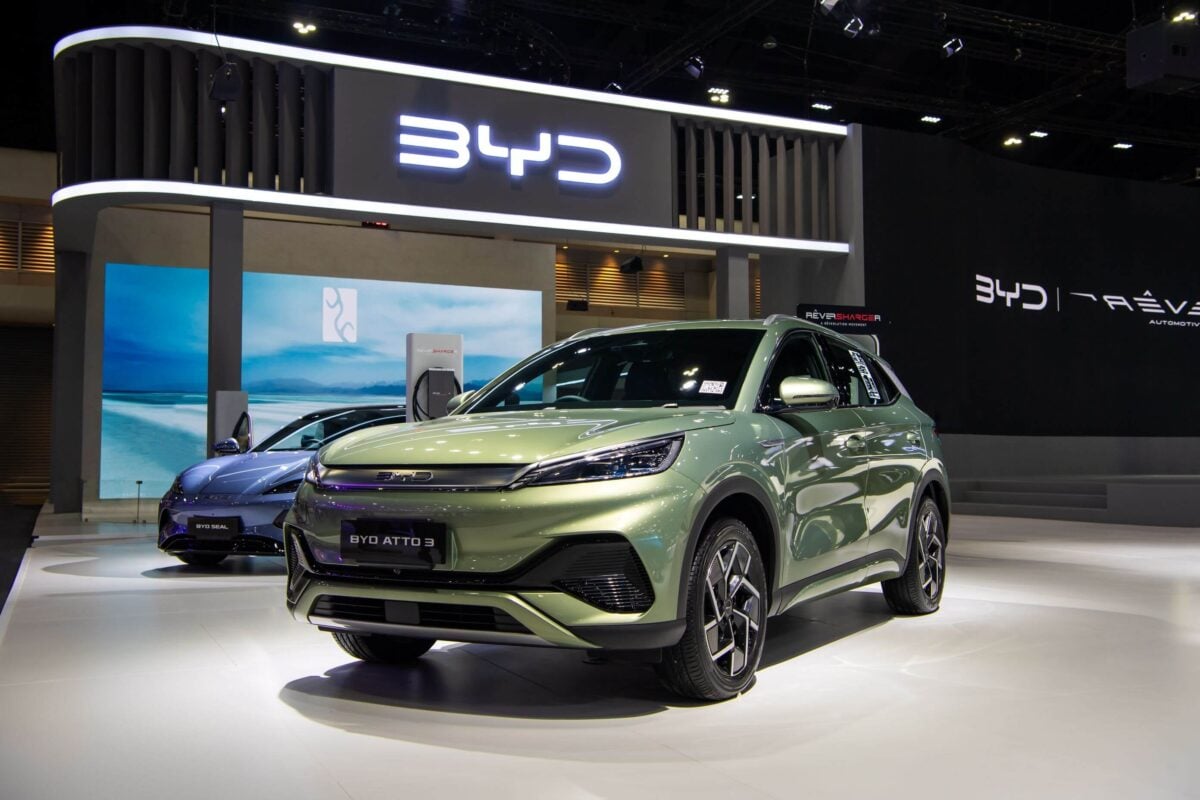
The market for electric vehicles in China has evolved into one of the fiercest areas within the global automobile sector. Initially viewed as a consistent growth path, this segment is now encountering a challenging phase characterized by fierce pricing tactics. BYD, a significant entity within the EV field, recently saw a notable drop in its share price due to profit margins being squeezed by a continuous pricing conflict among producers.
The competition within the EV industry in China has intensified as more companies enter the market and existing brands fight to maintain market share. For consumers, this battle translates into lower prices and greater accessibility. However, for automakers like BYD, it has introduced new challenges that threaten profitability and long-term stability. Investors are now questioning how sustainable these strategies are and what they mean for the broader electric mobility sector.
BYD, a significant player internationally with a robust position locally, has depended on creativity, economical production, and a wide range of products to maintain its lead. However, even these strengths face challenges when competitors implement aggressive price reductions to attract buyers. Recently, major players, such as Tesla’s operations in China, have also reduced their prices, triggering a ripple effect among local brands. This situation has compelled BYD to modify its pricing strategies, squeezing profit margins and causing worries about future profitability.
The Chinese government’s long-standing support for electric vehicles through subsidies and incentives initially created a favorable environment for growth. But as these incentives were gradually reduced, competition shifted toward price as the key differentiator. Companies with vast resources can afford prolonged discounting, while smaller manufacturers risk insolvency. For BYD, balancing affordability with profitability has become increasingly complex, particularly as raw material costs for batteries and components remain volatile.
The company’s recent earnings reports reflect this reality. Although unit sales have continued to rise, revenue growth has not translated into equivalent profit gains. Lower margins signal that while consumer demand remains robust, the financial rewards for manufacturers are shrinking. This imbalance has unsettled investors, contributing to the decline in BYD’s share price. The market reaction underscores how sensitive investor confidence is to profitability rather than just sales volume in a rapidly evolving industry.
Industry analysts warn that the price war may have broader consequences beyond individual companies. Prolonged discounting could lead to consolidation within the sector, as weaker players struggle to survive. While such consolidation might ultimately strengthen the industry by eliminating inefficiencies, the short-term disruption could be severe. Automakers that fail to adapt to the new pricing environment risk not only shrinking margins but also losing their competitive edge in an increasingly crowded marketplace.
Another aspect of this issue is technology investment. Creating electric vehicles demands significant financial resources for advancing battery systems, self-driving capabilities, and charging networks. When earnings are squeezed, businesses have limited capacity to support these initiatives, which can impede the speed of technological advancement. For BYD, staying at the forefront of innovation is crucial, but this is harder to achieve when funds are allocated to keeping prices competitive.
Global economic conditions further complicate the situation. Inflationary pressures, fluctuating raw material costs, and currency volatility add layers of uncertainty to an already competitive market. In addition, geopolitical factors and shifting trade policies influence supply chains and production costs. These dynamics make it harder for companies like BYD to forecast accurately and plan strategic moves. While the long-term outlook for EV adoption remains positive, short-term profitability challenges cannot be ignored.
Customer anticipations are also changing. Although cost is still a crucial element, purchasers are growing more interested in sophisticated features, longer driving distances, and enhanced charging solutions. Addressing these needs necessitates continuous investment in technology, a challenge intensified during times of margin squeeze. Organizations that cut back on innovation to keep prices down may harm their brand’s reputation and lag in product excellence. This careful balancing act is influencing the tactics of all leading electric vehicle producers, including BYD.
Despite these challenges, BYD retains several strengths that could help it weather the storm. The company’s vertically integrated structure provides some control over supply chain costs, while its broad product portfolio caters to diverse market segments. Additionally, BYD’s experience in battery manufacturing offers an advantage in cost optimization compared to rivals that rely heavily on third-party suppliers. These factors provide resilience, but whether they are sufficient to counteract the effects of an extended price war remains uncertain.
Investors are now closely monitoring the company’s outlook for the future. Indications regarding pricing tactics, cost control, and innovation strategies will impact the market’s outlook in the upcoming quarters. Some experts think that when the pricing competition settles down, leading companies like BYD will likely become more dominant by increasing their market share. However, others warn that the harm to profits might last longer than expected, posing challenges for stock performance despite the industry’s growth.
El sector de vehículos eléctricos en China sigue siendo crucial para la transición global hacia una movilidad sostenible. Siendo el mercado de EV más grande del mundo, los avances en China tienen repercusiones para fabricantes, proveedores e inversores a nivel mundial. Los desafíos actuales de BYD reflejan las complejidades de competir en una industria que madura rápidamente, donde las oportunidades de crecimiento coexisten con los riesgos estructurales. La capacidad de la compañía para adaptarse a estas condiciones no solo determinará su propio camino, sino que también ofrecerá una perspectiva sobre las dinámicas futuras del mercado de vehículos eléctricos.
In the meantime, consumers continue to benefit from competitive pricing, making electric vehicles more accessible to a broader audience. However, this consumer advantage comes at a cost for manufacturers, forcing them to navigate an environment where price-driven strategies clash with the need for profitability and innovation. For BYD, and for the entire sector, the coming years will test whether aggressive pricing can coexist with sustainable business models in one of the most transformative industries of the modern era.



.jpg "Key compliance requirements for maintaining a Panama offshore company")