
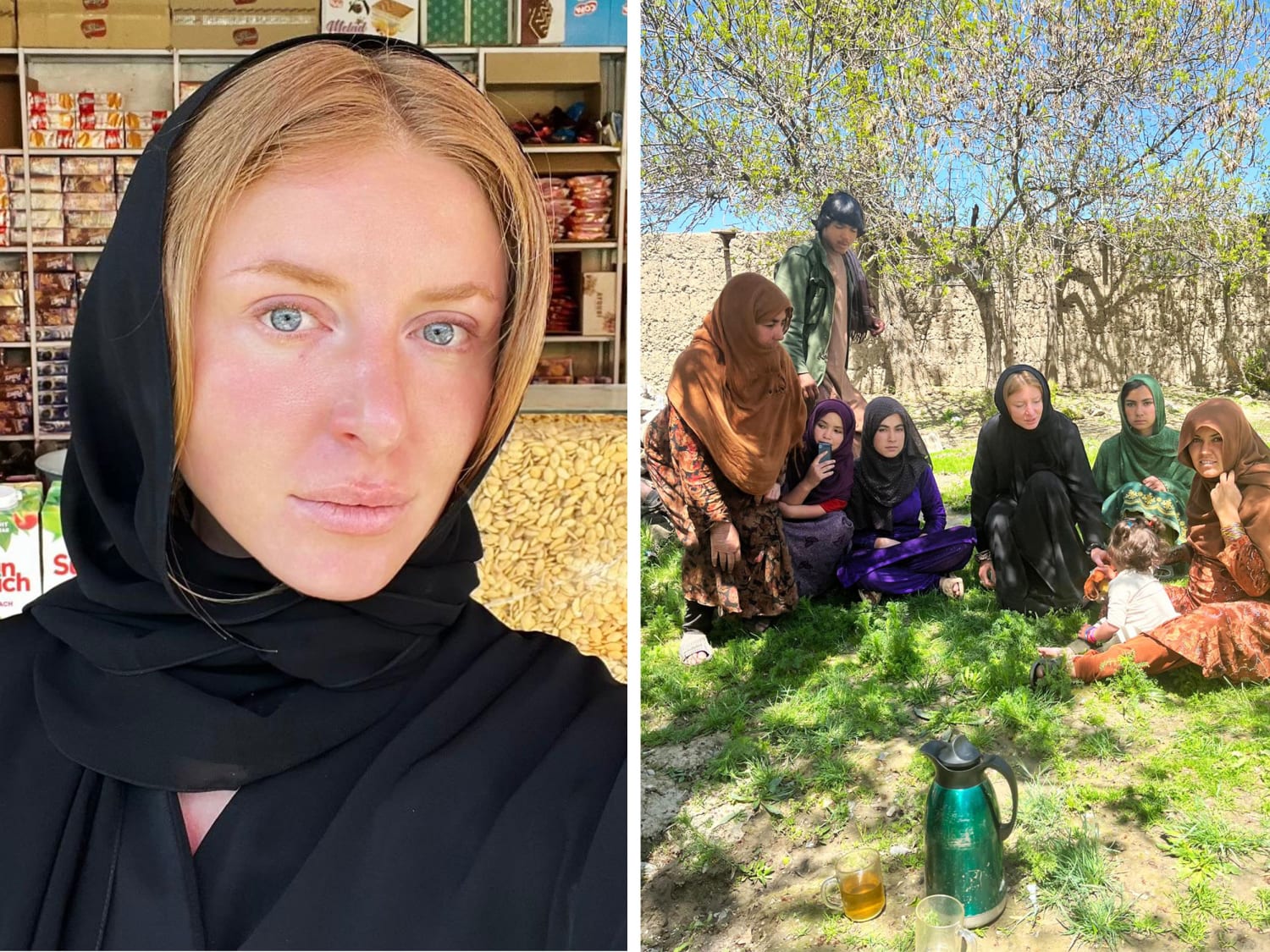
Over the past few months, Afghanistan, now under the rule of the Taliban, has unexpectedly attracted global travelers once again. This renewed interest is largely fueled by travel influencers active on social media sites. Through their engaging videos, captivating photos, and compelling stories, these digital creators have piqued interest and motivated a specific group of daring travelers to visit a country traditionally linked to turmoil and uncertainty.
Despite widespread concerns about security and human rights under Taliban rule, some influencers have portrayed Afghanistan’s rich cultural heritage, breathtaking landscapes, and historic sites in a new light. By sharing immersive experiences from cities such as Kabul, Herat, and Bamiyan, they have highlighted the country’s centuries-old traditions, architectural marvels, and natural beauty—elements often overshadowed by headlines of political turmoil.
The occurrence is a component of a wider movement in the tourism sector, where individuals with strong social media presence have considerable influence over destination preferences. Their capacity to engage millions of followers through engaging and genuine narratives has turned isolated or previously inaccessible places into new tourist attractions. Afghanistan, formerly considered too hazardous for the majority of tourists, is currently appealing to a minor yet expanding number of adventurous visitors inspired by these digital narratives.
Numerous influencers highlight their engagements with local populations, displaying Afghan warmth, food, and crafts, which contradict common misconceptions about life under Taliban rule. Through documenting trips to markets, religious locations, and countryside communities, they offer a detailed outlook that weighs an understanding of risks with a regard for the nation’s cultural richness.
Yet, the heightened curiosity in travel prompts intricate inquiries regarding security, moral considerations, and the consequences of tourism in an area ruled by a regime with a disputed human rights track record. Global travel warnings persist in advising against unnecessary journeys to Afghanistan, noting dangers such as abduction, terrorism, and oppression. Authorities, non-governmental organizations, and security specialists advise tourists to proceed with utmost caution and to perform comprehensive risk evaluations prior to arranging travels.
The role of travel influencers in promoting tourism to Afghanistan has sparked debate within the industry and among policymakers. Supporters argue that responsible travel can foster cross-cultural understanding, provide economic opportunities for local communities, and challenge monolithic portrayals of conflict-affected countries. Responsible tourism advocates stress the importance of respecting local laws, customs, and sensitivities, especially in contexts with volatile political dynamics.
On the other hand, detractors worry that portraying travel to areas under Taliban control in a glamorous light might unintentionally minimize safety hazards or overlook the current struggles of at-risk groups, especially women and minorities. Additionally, there is concern regarding the insufficient infrastructure and support networks available for tourists, potentially placing them in considerable danger during emergencies.
Tour companies specializing in tours to Afghanistan have noted a careful yet significant increase in requests and reservations. Certain specialized adventure travel firms have begun providing customized travel plans that highlight cultural history and environmental discovery, usually led by knowledgeable guides who understand the security environment of the area. These offerings focus on strict safety measures and close collaboration with local connections to reduce potential dangers.
The renewed curiosity in travel also underscores Afghanistan’s historical role as a meeting point of cultures and a region of significant geographical variety. From the snow-covered summits of the Hindu Kush mountains to the age-old Buddhist caves of Bamiyan and the lively marketplaces of Herat, the nation offers distinctive attractions that intrigue those adventuring beyond the usual tourist routes.
Economic experts suggest that increased tourism, if managed carefully, could provide vital revenue streams for communities struggling with poverty and instability. The local hospitality sector, including guesthouses, restaurants, and craft artisans, stands to benefit from even modest growth in visitor numbers. However, sustainable development of tourism infrastructure remains a challenge given the country’s ongoing political and security constraints.
International entities operating in Afghanistan stress the importance of strategies that uphold human rights and foster economic stability. There are calls for collaboration with local partners to develop responsible tourism initiatives that focus on benefiting the community and reducing adverse social effects.
The Taliban’s approach to tourism is both careful and occasionally inconsistent. Although some representatives have shown a willingness to encourage visits to the country’s cultural attractions, limitations on women’s roles in society, restrictions on free speech, and strict adherence to religious norms continue to influence the tourism landscape. These aspects make expansive tourism development challenging.
As travel influencers persist in shaping the image of Afghanistan, the upcoming months will unveil how this digital-inspired curiosity turns into tangible effects in reality. Analysts mention that tourism in Afghanistan, under Taliban control, is expected to stay a specialized market, appealing mainly to very experienced travelers who are willing to take risks.
The interplay between digital media, geopolitics, and tourism in Afghanistan underscores the evolving nature of global travel trends. While the country’s future remains uncertain, the power of storytelling through social platforms is undeniably reshaping how remote and complex destinations are viewed and accessed in today’s interconnected world.
.jpg "Cap Cana property listings and advice for homebuyers in the Dominican Republic")
.jpg "Cap Cana real estate market insights for potential homebuyers")